
WEST COUNTRY ASBESTOS
Asbestos was widely used throughout the UK construction industry for decades due to its strength, durability and resistance to heat. Although its use has now been banned, many buildings constructed or refurbished before the year 2000 may still contain asbestos materials hidden within their structure. These materials are often not immediately visible and may remain undisturbed for years, only becoming a concern when maintenance, renovation or demolition work takes place.
Not all asbestos is the same. Different types of asbestos have different fibre structures, uses and levels of risk. Some materials are tightly bonded and relatively stable when left alone, while others are far more fragile and capable of releasing fibres into the air with minimal disturbance. Understanding the differences between asbestos types is essential for making informed decisions about property maintenance, safety and compliance with UK regulations.
The primary danger associated with asbestos comes from inhaling airborne fibres. When materials containing asbestos are cut, drilled, broken or allowed to deteriorate, microscopic fibres can be released into the air without being seen. These fibres can remain suspended for long periods and, once inhaled, may lodge in the lungs. Over time, exposure has been linked to serious health conditions, which is why identifying and managing asbestos correctly is so important.
Across residential, commercial and industrial buildings, asbestos is typically encountered in a range of forms — from bonded cement products to more hazardous insulation materials. The sections below outline the key categories and types of asbestos you are most likely to encounter, including the differences between friable and non-friable materials, as well as the main asbestos fibre groups used in construction.
Friable vs. Non-Friable Asbestos
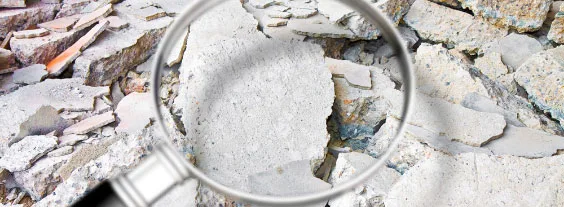
Asbestos-containing materials are generally grouped into two broad categories: friable and non-friable. The difference between them is important because it affects how easily dangerous asbestos fibres can be released into the air. Friable asbestos refers to materials that can be crumbled, crushed or reduced to powder by hand pressure when dry. Because these materials break down so easily, they present a significantly higher risk when disturbed. Common examples of friable asbestos include pipe lagging, sprayed coatings, loose-fill insulation and some older insulation products. When friable asbestos is damaged or interfered with, microscopic fibres can become airborne and remain suspended long enough to be inhaled deep into the lungs.
Non-friable asbestos, sometimes referred to as bonded asbestos, is more tightly bound into another material such as cement, vinyl, resin or bitumen. This makes it less likely to release fibres under normal conditions. Asbestos cement roof sheets, wall panels, soffits, gutters and some floor tiles are common examples of non-friable asbestos-containing materials. Although these products may present a lower immediate risk when in good condition, they can still become hazardous if cut, drilled, broken, weathered or allowed to deteriorate over time. In practice, both friable and non-friable asbestos require proper identification and careful management. The key distinction is how easily fibres can be released, which directly affects the level of risk during maintenance, refurbishment or demolition work.
Chrysotile Asbestos (White Asbestos)
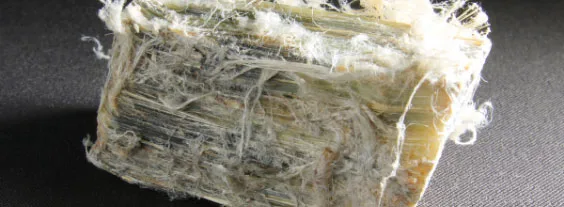
Chrysotile, more commonly known as white asbestos, is the most frequently encountered type of asbestos used in buildings and manufactured products. It belongs to the serpentine family of asbestos minerals and is made up of soft, curly, flexible fibres. These fibres gave chrysotile a wide commercial appeal because the material could be woven, mixed or bonded into many different products. Across the UK, chrysotile was extensively used in roofing materials, wall linings, textured coatings, insulation products, ceiling finishes, floor tiles, cement sheets and various other building components installed before asbestos was fully banned.
Because chrysotile was so widely used, it is often the type most likely to be found during property surveys and asbestos testing. While it was once sometimes regarded as less dangerous than other forms of asbestos, it still presents a serious health risk when disturbed. If chrysotile-containing materials are cut, damaged, drilled, sanded or broken up, fine fibres may be released into the air and inhaled. Exposure has been linked to serious long-term health conditions including asbestosis, lung cancer and mesothelioma. The fact that chrysotile was commonly used in both domestic and commercial buildings means it remains a major concern during renovation and demolition works today. Correct identification, condition assessment and safe management are essential wherever white asbestos may be present.
Amphibole Asbestos (Higher-Risk Asbestos Types)
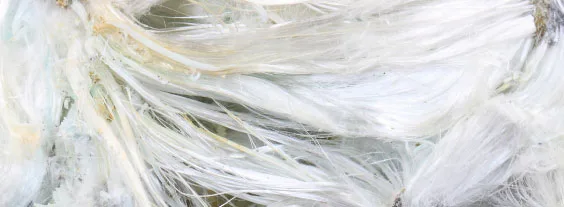
Amphibole asbestos is a term used for a group of asbestos minerals that are generally considered more dangerous due to their sharp, straight, needle-like fibres. Unlike chrysotile, which has curly fibres, amphibole fibres are more brittle and are able to penetrate deeper into lung tissue, where they may remain for long periods. This group includes amosite (brown asbestos), crocidolite (blue asbestos), tremolite, anthophyllite and actinolite. Among these, amosite and crocidolite are the types most commonly associated with historic building materials and higher-risk asbestos products.
Amphibole asbestos was often used in thermal insulation, pipe lagging, sprayed coatings, asbestos insulation boards and some cement-based materials where durability and heat resistance were required. These applications mean amphibole fibres are often found in materials that are more likely to release dust if disturbed, damaged or deteriorated. Crocidolite in particular is widely regarded as one of the most hazardous forms of asbestos due to the fine nature of its fibres and its strong association with mesothelioma. Amosite was also heavily used in insulation boards and other products found in older buildings throughout the UK. Because amphibole asbestos carries a higher risk of serious disease, any suspected materials containing these fibre types should be approached with great caution. Professional assessment, proper sampling and controlled handling are essential to prevent exposure and ensure legal compliance.
Helping Property Owners Manage Asbestos Safely
Managing asbestos doesn’t need to be overwhelming. While the risks associated with asbestos are well understood, the reality is that many materials remain stable and safe when left undisturbed and properly managed. The key is knowing what is present, understanding its condition, and taking the appropriate steps to reduce any potential risk.
For property owners, landlords and businesses, this starts with clear information and a measured approach — not guesswork or unnecessary disruption.
Effective asbestos management is based on identifying materials early and making informed decisions about how they are handled. In many cases, asbestos does not need to be removed immediately. Materials such as bonded asbestos cement or textured coatings may remain in place safely if they are in good condition and unlikely to be disturbed.
Where higher-risk materials are present — particularly those that are damaged, deteriorating or located in areas where work is planned — further action may be required. This could include monitoring, encapsulation or safe removal, depending on the specific circumstances. Each property is different, which is why a tailored approach is essential.
Supporting Safe Work and Compliance
For commercial property owners and duty holders, managing asbestos is also a legal responsibility. Regulations require that asbestos-containing materials are properly identified, recorded and managed to prevent exposure. This includes ensuring that anyone carrying out work on the building is aware of potential risks before starting.
Even in domestic settings, taking a careful and informed approach is just as important. Renovation projects, extensions and general maintenance can all disturb hidden asbestos if it has not been identified beforehand. Having the right information in place helps avoid delays, unexpected costs and unnecessary risk.
Asbestos Types & Safety: Frequently Asked Questions
What are the main types of asbestos found in UK properties?
The most common asbestos types found in UK buildings are chrysotile (white asbestos), amosite (brown asbestos) and crocidolite (blue asbestos). Chrysotile was widely used in roofing, ceilings and cement products, while amosite and crocidolite were often used in insulation materials, insulation boards and high-temperature applications. Each type has different properties, but all can pose a health risk if fibres are released and inhaled.
What is the difference between friable and non-friable asbestos?
Friable asbestos refers to materials that can be easily crumbled or broken by hand, making them more likely to release fibres into the air. Examples include pipe lagging and sprayed coatings. Non-friable asbestos is more tightly bound within materials such as cement sheets or floor tiles, meaning it is less likely to release fibres unless damaged or disturbed. The distinction is important as it directly affects the level of risk.
Is all asbestos dangerous?
All types of asbestos have the potential to be harmful, but the level of risk depends on the type of material, its condition and whether it is disturbed. Materials in good condition that remain undisturbed may present a low risk, whereas damaged or friable asbestos can release fibres into the air and increase the risk of exposure.
Where is asbestos commonly found in buildings?
Asbestos can be found in a wide range of building materials, particularly in properties built before 2000. Common locations include garage roofs, soffits, guttering, floor tiles, textured coatings, insulation boards, pipe lagging and ceiling panels. It is often hidden within the structure of a building and may not be immediately visible.
What should I do if I suspect asbestos in my property?
If you suspect a material may contain asbestos, it is important not to disturb it. Activities such as drilling, cutting or breaking materials can release fibres into the air. The safest approach is to seek professional advice and arrange for testing or a survey to confirm whether asbestos is present and assess the level of risk.
Does asbestos always need to be removed?
Asbestos does not always need to be removed. In many cases, materials that are in good condition and unlikely to be disturbed can be safely managed in place. Removal is typically recommended when materials are damaged, deteriorating or likely to be affected by building work. A professional assessment will help determine the most appropriate course of action.
Asbestos Testing, Asbestos Surveys & Safe Removal Services in Exeter
Where Asbestos May Be Located in Older Buildings
For several decades, asbestos was routinely used throughout the UK construction industry, particularly during the mid to late twentieth century. As a result, many older properties still contain asbestos-based materials today. These materials are often not immediately visible, as they were commonly installed within the fabric of buildings — hidden behind walls, above ceilings, within insulation systems or integrated into structural components. In many cases, their presence only becomes apparent when maintenance, refurbishment or alteration work is carried out.
Across Exeter and the wider South West, properties built before 2000 frequently incorporate asbestos within a variety of construction materials used during that period. The main risk does not typically come from the material itself while it remains intact, but from disturbance. Activities such as drilling, cutting, sanding, demolition or even natural wear and ageing can release fine asbestos fibres into the air. These fibres are invisible to the naked eye and can pose a risk to health if inhaled.
In domestic settings, asbestos may be found in a number of common locations, including garage and shed roofs, soffits, textured ceiling finishes, vinyl flooring, pipe boxing and insulation boards. While these materials can remain stable for many years when left undisturbed, any form of renovation or structural work has the potential to expose them — particularly where no prior asbestos survey or testing has been undertaken.
Larger commercial and public buildings often present a more complex picture. Offices, schools, industrial units and warehouses throughout Exeter were historically constructed using asbestos in a range of applications, including fireproofing systems, thermal insulation, plant areas and service voids. Identifying these materials through professional asbestos surveys or targeted laboratory analysis enables property owners and duty holders to determine whether they can be safely managed in situ or whether more controlled measures, such as encapsulation or removal, are required.
By recognising where asbestos may be present and taking a proactive approach, property owners, landlords and businesses can manage potential risks effectively. Early identification and informed decision-making not only help protect occupants and workers but also ensure compliance with current UK health and safety legislation.
Common Types of Asbestos in UK Buildings
Which types of asbestos were commonly used in UK construction?
Throughout the twentieth century, three primary forms of asbestos were widely used in UK building materials: chrysotile (white asbestos), amosite (brown asbestos) and crocidolite (blue asbestos). These materials were selected for their strength, resistance to heat and insulating performance, making them suitable for use in products such as insulation boards, roofing sheets, pipe lagging, cement materials and decorative coatings prior to the UK asbestos ban.
What is chrysotile, also known as white asbestos?
Chrysotile is the most frequently encountered type of asbestos in UK properties and belongs to the serpentine group, characterised by its softer, flexible fibres. It was commonly used in cement products, floor coverings, insulation materials and textured wall or ceiling finishes. Although once perceived as less hazardous than other asbestos types, chrysotile still poses a significant health risk if fibres are released and inhaled during disturbance.
What is amosite, often referred to as brown asbestos?
Amosite, or brown asbestos, is part of the amphibole group and is recognised for its straight, brittle fibres. It was widely used in asbestos insulation boards, ceiling tiles and fire-resistant panels, particularly within commercial and industrial buildings. Due to its structure, amosite fibres can become airborne if materials are damaged, increasing the potential risk when disturbed.
What is crocidolite, or blue asbestos?
Crocidolite, commonly known as blue asbestos, is considered the most hazardous of the commonly used asbestos types. Its extremely fine, needle-like fibres can remain airborne for extended periods and are easily inhaled. It was historically used in high-risk applications such as spray coatings, pipe insulation and certain cement products where strong heat resistance was required.
Are there other forms of asbestos beyond these main types?
In addition to the three main types, other naturally occurring asbestos minerals include tremolite, actinolite and anthophyllite. These were not commonly used in UK construction but may occasionally be found as trace contaminants within other asbestos-containing materials or raw mineral products used during manufacturing processes.
Which type of asbestos is considered the most dangerous?
Crocidolite is generally regarded as the most hazardous due to the fine, sharp nature of its fibres, which can penetrate deep into lung tissue. However, it is important to understand that all asbestos types can pose a health risk if fibres become airborne. The level of danger depends on the condition of the material and whether it is disturbed.
How can the type of asbestos in a material be identified?
The only reliable way to confirm the presence and type of asbestos is through professional sampling and laboratory analysis. Qualified specialists take controlled samples from suspected materials, which are then examined under laboratory conditions to identify the fibre type and confirm whether asbestos is present.
Asbestos Removal Branch Areas
Proud to work with the following organisations…