Replacing windows and doors can improve security, comfort and energy efficiency, but the work often disturbs more of the surrounding structure than homeowners expect. Frames may need to be cut out, fixings drilled into reveals and old boards, sealants or panels removed. In properties built or refurbished before 2000, some of those materials may contain asbestos.
Testing suspect products before installation begins gives everyone involved clear information. It helps prevent accidental fibre release, allows the replacement team to choose safe methods and identifies whether specialist asbestos removal is required.
Where asbestos may be found around openings
Possible asbestos-containing materials near windows and doors include insulation board used in soffits or infill panels, textured coatings, cement sheets, old fire-resistant boards and certain bituminous products. Service cupboards and porch structures can also contain legacy materials that may be affected when frames or trims are removed.
A targeted asbestos testing service in Exeter can focus on the exact locations included in the replacement plan rather than assessing unrelated parts of the building.
Why installers need evidence before drilling
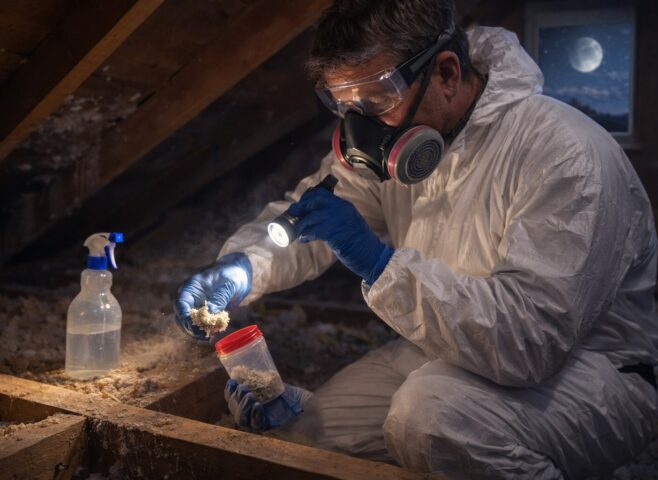
Asbestos cannot be confirmed reliably by colour, texture or age alone. A competent surveyor can assess suspect materials and collect small samples using controlled techniques. Laboratory analysis then establishes whether asbestos is present and, if so, which type has been identified.
The installer should explain which frames, panels, reveals and external finishes will be disturbed. Sharing that scope with the surveyor makes the assessment more accurate and reduces the chance of an unexpected discovery after work starts.
Planning the correct response to a positive result
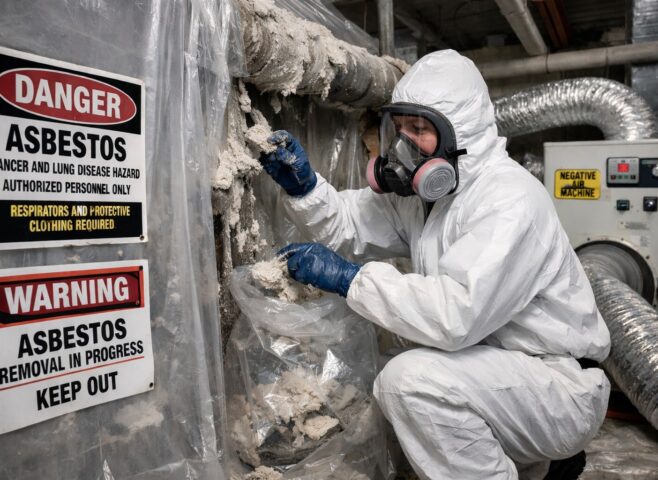
A positive sample does not necessarily mean every nearby material must be removed. Sound asbestos-containing material may sometimes remain in place if the design can avoid it. Where disturbance is unavoidable, removal or encapsulation should be planned before the window or door team arrives.
The material and removal method determine the legal controls that apply. Guidance on licensed and non-licensed asbestos removal can help property owners understand why the right contractor and method matter.
Avoid rushed removal to protect the schedule
When replacement units are already on site, it can be tempting to prise out a small suspect panel or cut through an old board to keep the project moving. This can spread fibres into occupied rooms, dust sheets, tools and outdoor areas. It may also create a more complicated clean-up than the original material would have required.
Our explanation of why asbestos should not be removed without suitable expertise outlines the risks of improvised work and poor waste handling.
Include testing in the replacement timetable
The safest and most efficient time to investigate is before final measurements, manufacturing dates and installation appointments are fixed. Early testing gives the surveyor, asbestos contractor and fitting team time to coordinate their work and agree any changes to the design.
For older homes in Exeter, an asbestos check around planned openings is a sensible part of preparing for new windows or doors. It protects occupants and tradespeople while helping the improvement proceed with fewer costly surprises.