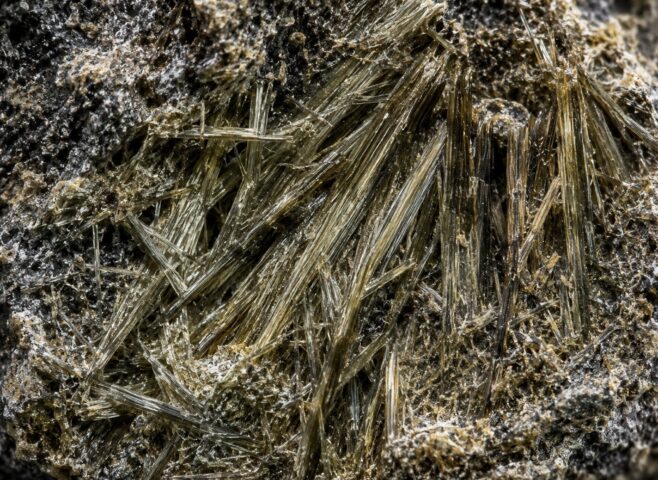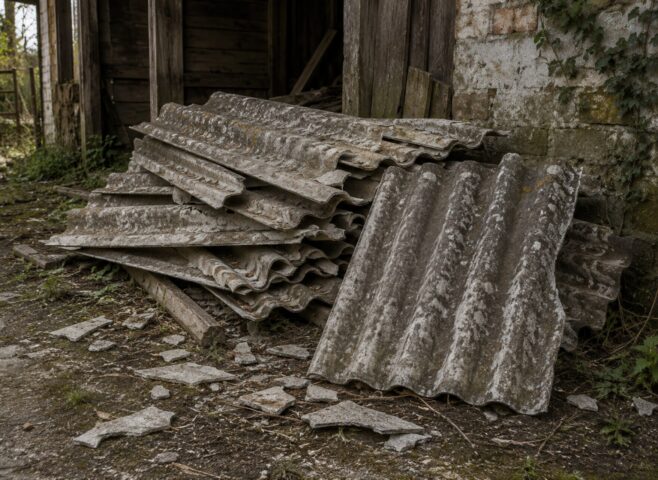
Opening a wall can seem like a routine part of renovation, whether the aim is to create an open-plan room, repair services or investigate damp. Yet walls in properties built or refurbished before 2000 may contain asbestos products within linings, coatings, service enclosures or concealed fire protection.
Testing the affected area before demolition begins provides evidence for a safer work plan. It helps builders avoid accidental disturbance, allows specialist removal to be scheduled where necessary and reduces the chance of contamination spreading through an occupied property.
Asbestos can be hidden behind later finishes
Possible materials include asbestos insulation board, textured coatings, cement panels and fire-resistant boards around pipes, ducts or electrical equipment. Later plasterboard, tiles or decorative panels may conceal older layers, so a modern-looking surface does not always describe the complete wall build-up.
A targeted asbestos testing service in Exeter can concentrate on the exact walls, openings and service routes included in the renovation.
Give the surveyor a clear demolition scope
The assessment should reflect the planned work. Removing a small section for access is different from demolishing an entire partition or chimney breast. Drawings, photographs and information from the contractor help the surveyor identify where intrusive checks and controlled samples may be required.
Samples are analysed by a laboratory, with the results recorded by location and material. This information lets the project team decide which surfaces can be handled normally and which need specialist controls before general building work begins.
Plan removal around the confirmed findings
A positive test does not always require all similar materials in the property to be removed. Sound products away from the renovation may sometimes remain managed in place. Materials within the demolition zone may need controlled removal, encapsulation or a redesign that avoids disturbing them.
Different asbestos products and work methods carry different requirements. Understanding licensed and non-licensed asbestos removal helps property owners appoint the right contractor and allow enough time for the work.
Stop work if an unexpected material appears
If a suspect board, coating or insulation is uncovered after work starts, the area should be left undisturbed until it has been assessed. Cutting a small sample with ordinary tools or continuing demolition can release fibres into dust, clothing and adjoining rooms.
Our guidance on why asbestos should not be removed as a DIY task explains why improvised handling can turn a limited discovery into a wider clean-up problem.
Make testing part of pre-start planning
The best time to investigate is before builders price the demolition and arrange follow-on trades. Early results allow any asbestos work to be costed separately and completed before carpenters, electricians or plumbers enter the affected area.
For older properties in Exeter, testing before walls are opened is a practical safeguard. Reliable information protects occupants and contractors while helping the renovation progress with fewer delays and unexpected costs.