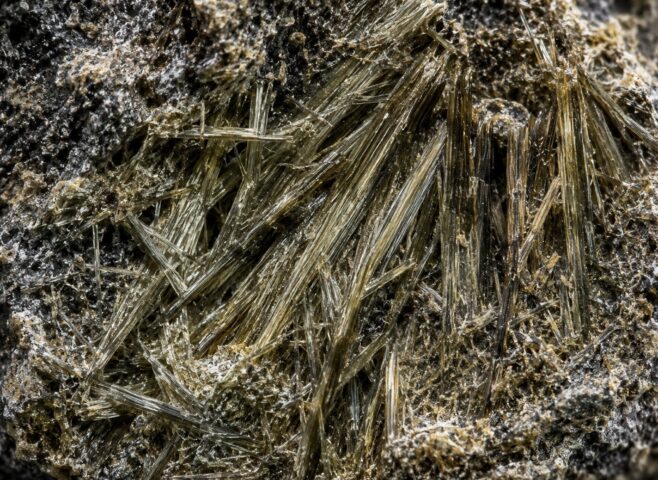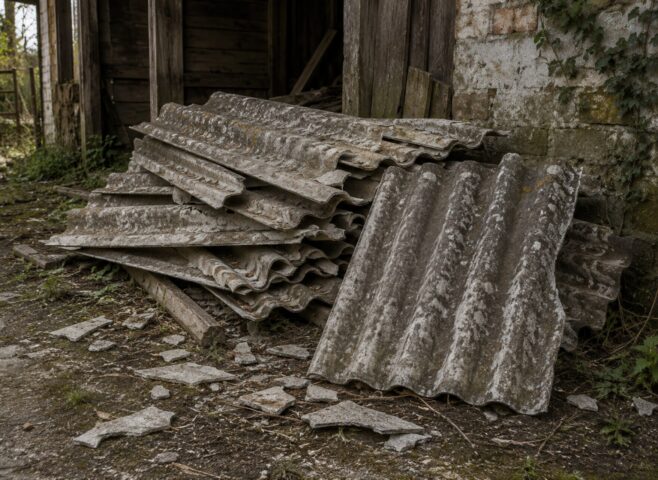
A leaking flat roof needs prompt attention, but a fast repair should not begin with assumptions about the materials beneath the surface. Older roof coverings, trims and adjoining panels may contain asbestos, particularly on garages, extensions and commercial buildings constructed or refurbished before 2000.
Testing suspect materials before cutting or stripping the roof helps owners and contractors choose a safe repair method. It also allows any necessary asbestos removal to be planned before the roofing team opens a larger area.
Look beyond the visible roof covering
The surface membrane is only one part of a flat-roof assembly. Asbestos-containing products may be present in cement sheets, soffits, fascias, insulation boards, ceiling panels or older layers hidden beneath later repairs. Penetrations for drains, vents and cables can expose materials that were never visible during a ground-level inspection.
A focused asbestos testing service in Exeter can assess the parts of the roof and adjoining structure that the proposed repair will disturb.
Make the survey match the roofing plan
A small patch, a new covering over an existing surface and a complete strip-out are very different jobs. The surveyor should know where the roofer expects to cut, lift, drill or remove materials. That information helps identify the right sampling locations and whether further access is needed.
Visual appearance is not enough to confirm asbestos. Controlled sampling and laboratory analysis provide the evidence needed to distinguish suspect materials from asbestos-free alternatives. The report should identify the sample locations and results clearly enough for the roofing contractor to use.
Choose the right response to a positive result
Some sound asbestos-containing materials may be left undisturbed and managed in place if the roof design allows it. If a product must be removed or cut, specialist controls may be needed before ordinary roofing work proceeds. The type of material and work method determine the legal requirements.
Our guide to licensed and non-licensed asbestos removal helps explain why a contractor suitable for one roofing material may not be suitable for another.
Do not break suspect sheets to reach a leak
Under pressure to stop water entering, it can be tempting to pull away a small sheet or saw through a panel. That can release fibres and contaminate tools, clothing and the surrounding area. The waste also needs correct handling and disposal.
The guidance on why asbestos should not be removed yourself applies even when the repair seems urgent. If a leak is active, discuss temporary protection that avoids disturbing suspect materials while the assessment is arranged.
Build the test into the repair schedule
Early testing lets the roofer price the work accurately and coordinate any asbestos contractor before materials are ordered or scaffold is booked. It reduces the chance of discovering a problem after the roof has been opened and the building is exposed to weather.
For older properties in Exeter, a targeted asbestos check is a practical part of flat-roof repair planning. It protects workers and occupants while giving the project a clearer route to a durable, safe result.