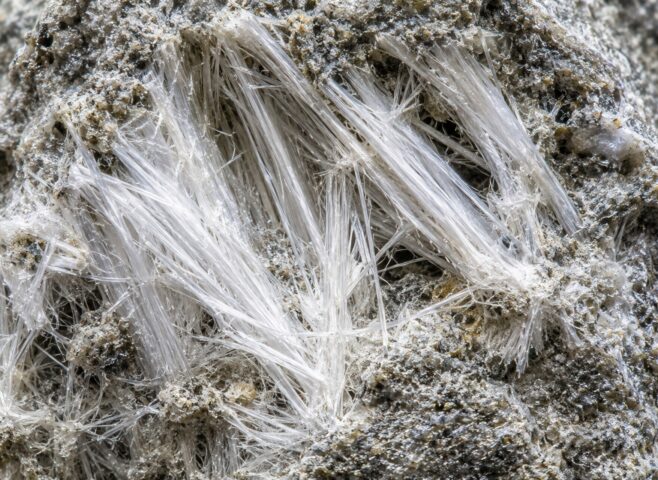
Conservatory roof trims can look like a minor finishing detail, but in an older Exeter property they may be connected to materials installed when asbestos was still widely used in building products. Trims, soffit-like boards, packing pieces and panels can be disturbed during a roof replacement, insulated panel upgrade or repair to leaks around the perimeter. Before anyone starts cutting, drilling or removing them, asbestos testing can provide the evidence needed to plan the work safely.
Why conservatory roof trims deserve attention
A conservatory roof is rarely made from one material. Older structures may combine cement-based sheets, translucent panels, timber, plasterboard, sealants, adhesives and decorative boards. The roof trim may have been added during a later alteration, or it may conceal the edge of an older roof system. That mixture makes visual assumptions unreliable. A trim that appears to be ordinary fibreboard or plastic could have a cement backing, an asbestos-containing board, or a bonded product that cannot be identified safely by appearance alone.
Risk increases when a contractor plans to remove roof panels, replace guttering, renew flashing, fit insulation or open the junction between the conservatory and the house. Even small fixings can release dust if a suspect material is drilled, snapped or scraped. The fact that a trim is narrow does not make it harmless: its condition, composition and the way it will be handled are what matter. Testing before the quotation and method statement are finalised helps prevent an unexpected stop in the middle of a job.
What asbestos testing can establish
A competent asbestos surveyor will first discuss the proposed work and identify the materials that could be affected. Where sampling is appropriate, a small representative sample is taken using controlled methods and sent to a laboratory for analysis. The result can confirm whether asbestos is present and, where relevant, identify the type of asbestos and the product in which it is bound. This is different from guessing based on colour, age or texture.
Testing can also help separate materials that need different decisions. A trim may be negative while an adhesive, backing board or hidden packing strip is positive. Alternatively, an asbestos-containing product may be intact and firmly bonded, allowing a carefully designed plan to leave it in place rather than disturb it. The laboratory result is one part of the process, but it gives the project team a much stronger foundation for choosing between encapsulation, controlled removal or redesign.
Plan the sample around the proposed work
Before arranging a visit, make a simple note of what is changing. Is the roof being replaced completely, or are only the edge trims and gutter brackets being removed? Will access equipment press against the boards? Are electricians, roofers or installers likely to make new penetrations? Sharing photographs and a clear description of the work allows the surveyor to focus on the areas that could be disturbed instead of treating the trim as an isolated object.
It is also useful to mention previous repairs. A conservatory may have been re-roofed more than once, and a new-looking outer cover can conceal older materials beneath it. Water damage, impact damage and repeated repainting should be recorded because they can affect the condition of the material and the practical sampling approach. If other parts of the property will be opened during the same project, consider whether they should be assessed at the same time.
Do not let a negative-looking surface set the schedule
One of the most common planning mistakes is to assume that a modern appearance means a modern material. Paint, sealant, cladding or replacement guttering may hide an older board. The opposite mistake is also costly: treating every suspect surface as asbestos without testing can lead to unnecessary restrictions and an inaccurate budget. A proportionate assessment gives homeowners and contractors a documented basis for the next decision.
Until the material has been assessed, avoid sanding, cutting, breaking or pressure-washing the trim. Do not ask a general builder to take a sample as an informal favour, and do not place loose fragments in household waste. If damage has already occurred, keep people away from the area, avoid sweeping or using a domestic vacuum, and explain exactly what happened when seeking professional advice.
Use the result to coordinate safe removal or retention
If asbestos is identified, the result should be shared with everyone whose work could affect the material. The next stage may involve leaving it undisturbed, sealing it, arranging removal by a suitably competent contractor, or changing the sequence of the roof project. The correct option depends on the product, its condition, the extent of disturbance and the controls required. A clear written plan is especially important where several trades will work in a confined conservatory.
Homeowners planning related work can also learn from the same principle in other parts of an older property. For example, testing may be relevant before replacing an older loft hatch, before renewing a window board, or before changing a garden room window. Each project has its own materials and disturbance points, so the assessment should match the actual scope rather than rely on a generic assumption.
A small investigation can protect the whole project
Asbestos testing before conservatory roof trim replacement is a practical planning step, not an unnecessary delay. It can prevent uncontrolled disturbance, help contractors price the work accurately and give everyone a shared understanding of what must be protected or removed. If you are unsure about a trim, board, sealant or hidden edge detail in an older Exeter conservatory, arrange professional advice before work begins and keep the area undisturbed while the next steps are agreed.