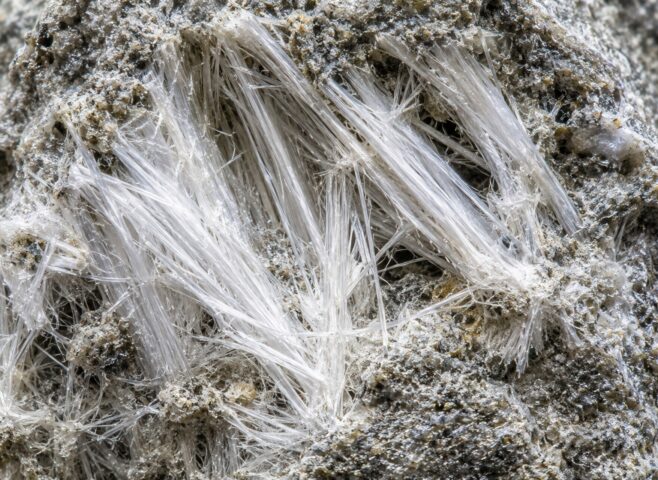
Replacing a leaking conservatory downpipe can look like a small repair, but older conservatories often contain materials that should be identified before any cutting, drilling or removal begins. Pipework itself may be modern plastic, yet the downpipe can connect to older soffits, roof trims, panels, boxed-in sections or cement products that were installed at the same time. If the conservatory dates from a period when asbestos-containing materials were still widely used, disturbing the surrounding fabric without proper information can create an avoidable risk.
Asbestos is not always obvious from its appearance. A grey cement board, a textured panel or a hard, weathered strip can look much like an ordinary building product. Age, colour and condition are not reliable ways to confirm what a material contains. Before a contractor removes a downpipe bracket, opens a boxed chase or replaces damaged gutter connections, a sensible first step is to arrange professional asbestos testing where suspect materials may be affected.
Why a downpipe replacement can disturb older materials
Conservatory drainage is often fixed through several layers of construction. Brackets may be attached to fascia boards, rendered walls, cement sheets or timber that has been concealed behind later alterations. A replacement project can therefore involve more than unscrewing a pipe. Old fixings may be seized, a joint may need to be cut away, or a damaged section may need to be removed to expose the wall behind it. Each of those actions can disturb a material that was not visible during the initial quotation.
Roofline work can also involve access equipment, ladders and hand tools close to fragile surfaces. Weathering, impact and previous repairs may have left asbestos-containing cement cracked or weakened. Even when the material is bonded and relatively stable, drilling, snapping or abrading it can release hazardous fibres. Planning around the material before work begins gives the contractor a clear method and helps prevent a rushed decision when the old connection is exposed.
What an asbestos survey or sample can establish
A survey or targeted sample should be matched to the proposed work. A refurbishment project may need a wider inspection of the conservatory, while a small drainage replacement may call for focused sampling of the materials that will be drilled, cut or removed. A competent professional will consider the age and construction of the conservatory, inspect accessible areas and identify locations where the work could cause disturbance.
Where sampling is appropriate, a small representative piece is taken using controlled methods and sent for laboratory analysis. The result can confirm whether asbestos is present and, if so, help identify the material type. That information is more useful than guessing from photographs. It can show whether ordinary replacement work can proceed with precautions, whether the item needs sealing or careful removal, or whether the drainage design should be changed to avoid disturbing it altogether.
Planning the replacement after testing
If testing identifies asbestos, the next step is not automatically to remove every related component. The condition, location and intended work all matter. A contractor may be able to leave an intact material undisturbed while replacing adjacent plastic pipework. In another situation, the material may be too close to the fixings or too damaged to remain safely in place. The test report provides a basis for deciding whether specialist control measures or asbestos removal are needed.
Good preparation also makes the practical work easier. The drainage contractor can plan access, keep people away from the work area, choose suitable fixings and avoid unnecessary drilling. If a licensed or specialist contractor is required, they can be engaged before the old pipe is opened. It is important not to sweep, sand, break or pressure-wash suspect fragments in an attempt to make the job quicker. Those actions can spread contamination beyond the original work area.
Protecting occupants, neighbours and future trades
A conservatory is often connected to the main home, so dust from roofline or drainage work can move through doors, windows and shared access routes. Children, visitors and pets may also pass close to the work area. Testing in advance allows sensible precautions to be agreed before the project starts, including isolation of the area, controlled removal methods and proper handling of any waste. It also leaves a useful record for future repairs.
For homeowners in Exeter, the most helpful approach is to describe the planned work accurately when arranging an assessment. Mention the conservatory’s approximate age, the materials that will be drilled or removed, previous repairs and any visible damage. If you are unsure whether testing is required, professional advice can clarify the scope before a drainage contractor attends. You can also use the contact page to discuss the building and the proposed work.
A safer sequence for the project
The safest sequence is straightforward: pause work where suspect materials may be disturbed, arrange an appropriate inspection or sample, review the result, and then brief the contractor who will replace the downpipe. Keep the report with the property’s maintenance records and share it with anyone planning later roof, gutter, window or conservatory alterations. A small amount of planning can prevent an unexpected discovery from becoming a larger and more expensive problem.
Replacing an older conservatory downpipe should be a routine maintenance job, but it becomes much more manageable when the surrounding materials are understood first. Professional asbestos testing gives homeowners and tradespeople evidence to work from, helping them choose the right controls and avoid disturbing hazardous products unnecessarily.