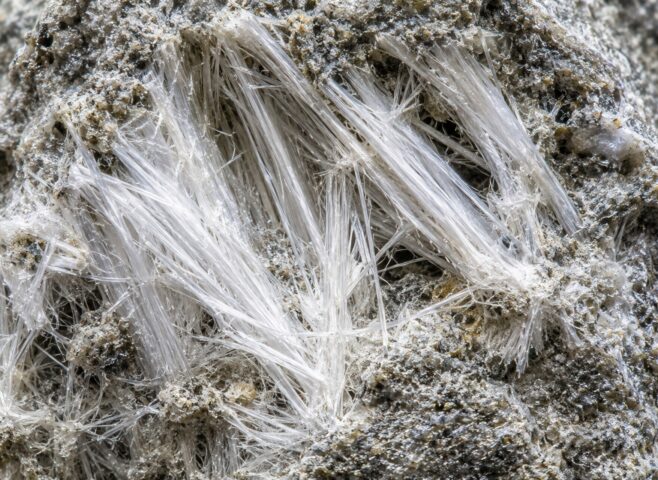
Replacing a porch lintel can look like a small, contained building job, but older properties in Exeter may contain asbestos in more places than expected. Cement-based sheets, soffit strips, textured coatings, packing materials and older fire-resistant boards can all be close to the opening being altered. Even when the lintel itself is made from brick, concrete or steel, surrounding materials may be disturbed by cutting, drilling, chasing or temporary support work.
Asbestos fibres are hazardous when asbestos-containing materials are damaged and dust becomes airborne. You cannot reliably identify asbestos by colour or appearance, and a material that seems like ordinary cement board may need a different method of removal and disposal. Arranging asbestos testing before work begins gives homeowners, landlords and contractors a clearer understanding of the risks and helps the project start with a sensible plan. If you are unsure whether a material needs attention, our asbestos testing service can provide the right first step.
Why a porch lintel replacement may disturb hidden materials
Lintel work often involves removing masonry above a door or window, exposing the underside of a porch roof, or taking down trim so that new supports can be installed. In an older Exeter house, the area may have been altered more than once. A previous repair might have added a cement panel, a backing board, a firebreak or a layer of textured finish around the opening. These materials can be hidden behind render, timber trim or later cladding and may only become visible once the work has started.
There can also be dust-producing preparation before the lintel is even reached. Contractors may drill for supports, remove old fixings, cut through soffit boards or chase adjacent walls for flashing and insulation. Testing the materials around the work zone, rather than focusing only on the lintel itself, helps define what can stay in place, what needs controlled removal and what should not be disturbed.
Which porch materials may need testing
Common materials worth considering include porch soffits, fascia-like trims, ceiling boards, cladding panels and old window or door surrounds. Asbestos cement products were used outdoors because they were durable and resistant to weather. Inside the porch, older insulating board or textured coatings may have been selected for fire resistance. Adhesives, packers and sealants can also be relevant where an old frame or panel is being removed.
The age and construction history of the property provide useful clues, but they do not confirm the presence or absence of asbestos. A newer-looking replacement panel could conceal an older product behind it, while a material that resembles asbestos cement may be a modern alternative. Testing should therefore be based on the planned disturbance and the materials that could be affected, not on a visual guess made from the pavement.
How asbestos testing supports safer planning
A competent surveyor or asbestos professional can review the proposed work area, identify materials that may be disturbed and take representative samples where appropriate. Samples are sent for analysis, and the results help establish whether asbestos is present and, where possible, the type of material involved. The outcome is more useful when the tester understands the exact scope of the lintel replacement, including temporary supports, removal of finishes and any associated roof or door work.
Testing also helps avoid two opposite mistakes. Treating a suspect board as harmless can expose workers and occupants to unnecessary dust. Treating every material as asbestos without a proportionate plan can cause avoidable delays and expense. A written result gives the contractor information to use in the method statement, access arrangements, work sequencing and waste arrangements. Where asbestos is confirmed, the next decision may be repair, encapsulation or controlled removal, depending on the condition and the proposed alteration.
What to do if asbestos is found near the opening
Stop work around the suspect material and keep people away from the area. Do not sweep debris, use a household vacuum, sand the surface or try to remove a panel to “see what is behind it”. If the material has already been damaged, minimise movement through the area and tell the contractor exactly what happened. A controlled response can then be planned around the condition of the material and the urgency of the structural work.
Where removal is required, the work should be carried out by a suitably competent contractor using appropriate controls, protective equipment, cleaning procedures and waste arrangements. The structural contractor and asbestos contractor should coordinate carefully so that the lintel replacement does not begin until any necessary asbestos work has been completed and the area is suitable for the next stage. Our asbestos removal guidance explains why this separation and sequencing matters.
Plan the test before booking the building work
The best time to arrange testing is before scaffolding, demolition or material removal is booked. Share photographs, the property age if known, the planned lintel detail and the areas that will be opened up. Ask the builder to identify every surface they expect to cut, drill, remove or expose. This produces a more useful inspection brief than simply requesting a test of the visible porch panel.
Good planning protects more than the construction schedule. It reduces the chance of an unexpected pause, gives occupants clearer instructions and helps everyone understand which parts of the porch can be accessed safely. If your Exeter property needs a lintel replacement or related repair, arrange asbestos testing first and keep the written findings with the project records. For broader advice on planning work in older buildings, see our guide to asbestos testing before older-property repairs.