A burst pipe, roof leak or flood can damage ceilings, walls and floors in a matter of hours. Drying the building is urgent, but restoration work may disturb materials that contain asbestos in properties built or refurbished before 2000. Water can weaken boards and coatings, expose hidden layers and make previously stable products more vulnerable to damage.
Testing suspect materials before strip-out gives property owners, insurers and restoration contractors reliable information. It helps define safe working areas and identifies whether specialist asbestos removal should take place before general repairs begin.
Water can change the condition of older materials
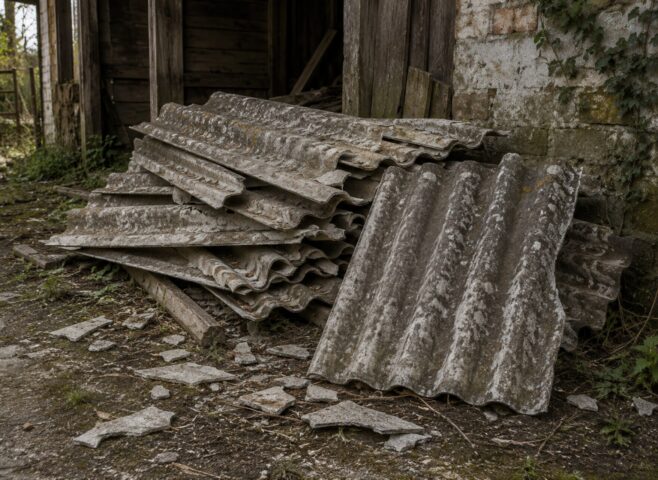
Potential asbestos-containing products include insulation board, textured coatings, floor tiles, pipe insulation and cement sheets. When soaked, cracked or pulled away from their fixings, these materials may no longer be suitable for ordinary handling. The route taken by water can also expose service ducts and voids that were previously enclosed.
A targeted asbestos testing service in Exeter can focus on the rooms and building elements affected by the incident.
Coordinate the survey with the restoration plan
The surveyor should understand which finishes the drying and repair teams intend to lift, cut or remove. That may include opening ceilings, taking up flooring, removing boxing around pipes or stripping damaged wall linings. A clear scope helps ensure that sampling reflects the work actually planned.
Controlled samples are analysed by a laboratory, and the results should be recorded by material and location. This evidence allows contractors to separate ordinary damaged materials from those requiring specialist controls.
Decide whether material can stay in place
A positive result does not always mean every identified product must be removed. An undamaged material outside the repair zone may sometimes remain managed in place. If water damage or restoration work will disturb it, controlled removal or encapsulation may be necessary.
The material and work method determine the applicable requirements. Understanding licensed and non-licensed asbestos removal helps owners and project managers appoint the appropriate contractor.
Avoid uncontrolled emergency strip-out
Urgency should not lead to suspect boards, coatings or floor products being broken out without assessment. Uncontrolled demolition can spread fibres through wet debris, tools, clothing and drying equipment. Contaminated waste also requires correct packaging and disposal.
Our guidance on why asbestos should not be removed yourself explains how a limited problem can become a much wider clean-up task.
Plan testing alongside drying and insurance work
Early communication between the surveyor, insurer, drying contractor and repair team can prevent duplicated visits and avoidable delays. Areas that do not involve suspect materials may be able to progress while confirmed asbestos work is planned separately.
For older Exeter properties, asbestos testing after water damage is a practical step towards safe recovery. It protects occupants and contractors while helping the restoration proceed from clear evidence rather than guesswork.