Rewiring can improve the safety and reliability of an older property, but it also involves drilling, chasing walls, lifting floor coverings and opening boxed-in areas. In buildings constructed or refurbished before 2000, those activities may disturb asbestos-containing materials that are difficult to recognise by sight alone.
Testing suspect materials before electrical work begins gives homeowners, landlords and contractors reliable information. It allows the project to be planned around genuine findings instead of assumptions, reducing the risk of exposure, delays and unplanned remedial costs.
Where asbestos may affect electrical work
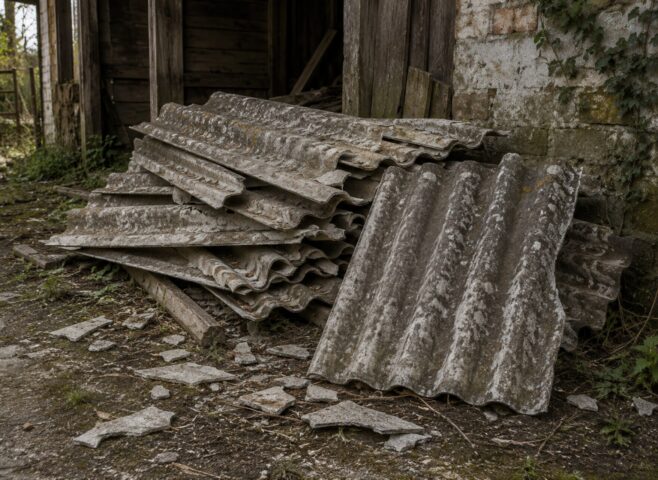
Electricians often need access to wall linings, ceiling voids, service cupboards, meter areas and routes beneath floors. Potential asbestos-containing materials can include insulation board, textured coatings, old floor tiles, cement products and panels around electrical equipment. Their presence does not always require immediate removal, but any material likely to be cut or damaged must be assessed first.
Arranging professional asbestos testing in Exeter before cables are routed can identify which areas need controls and which can be worked on normally.
Why sampling should come before disturbance
A visual inspection can flag suspicious products, but laboratory analysis is needed to confirm whether asbestos is present. A trained surveyor takes small, controlled samples while minimising fibre release, then records their location and condition. The laboratory result provides the evidence needed for a proportionate plan.
The survey scope should match the rewiring design. If the electrician expects to chase several walls or enter concealed spaces, those locations need to be accessible during the assessment. Clear drawings and early communication help prevent important areas from being missed.
Deciding whether removal is necessary
If testing confirms asbestos, the next step depends on the material, its condition and the work planned nearby. Sound material that will remain untouched may sometimes be managed in place. Material directly in the cable route may need to be removed or encapsulated before electrical work proceeds.
Different products and techniques carry different legal requirements, so it is important to understand the distinction between licensed and non-licensed asbestos removal. A competent specialist can define the correct controls, waste arrangements and clearance process.
Keep electricians and occupants informed
Survey results should be available to everyone involved in the job. Marking affected locations and discussing the planned sequence prevents workers from unknowingly drilling into suspect materials. In occupied homes or rental properties, good scheduling also limits disruption and keeps residents away from controlled work areas.
Trying to remove a small panel or coating without suitable training can spread contamination into rooms, tools and waste. The reasons not to remove asbestos yourself apply just as strongly during a time-sensitive rewiring project.
Plan the survey into the electrical quotation
The best time to address asbestos is before the electrical quotation and programme are finalised. Testing early allows the electrician to confirm cable routes, while any necessary asbestos work can be priced and scheduled separately. This creates clearer responsibilities and reduces the chance of the project stopping after work has started.
For older properties in Exeter, a targeted asbestos assessment is a practical part of responsible rewiring. It protects tradespeople and occupants while helping the electrical upgrade proceed with fewer surprises.