A garage conversion can add valuable living space without extending the footprint of a property, but older garages often contain materials that were selected for fire resistance, durability and low cost. Some of these products may contain asbestos, particularly where the building was constructed or refurbished before 2000.
Testing before strip-out begins gives homeowners and contractors reliable information about the materials that will be disturbed. It helps the conversion team plan safe access, avoid accidental fibre release and account for any specialist removal before the main building programme starts.
Common garage materials that may contain asbestos
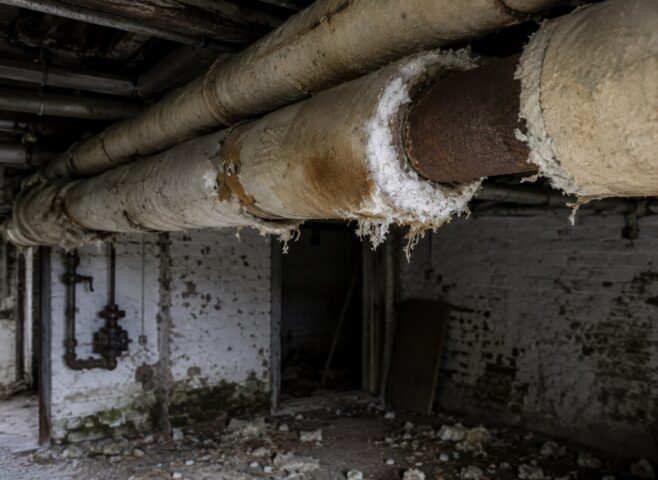
Potential locations include corrugated cement roof sheets, wall or ceiling boards, soffits, pipe insulation, old floor tiles, textured coatings and panels around electrical equipment. Garages may also have been altered over time, so newer finishes can conceal older materials beneath them.
A targeted asbestos testing service in Exeter can assess the areas affected by the conversion rather than relying on a general visual check.
Make the survey match the conversion design
The surveyor should understand which walls, ceilings, floors and service routes will be opened. Installing insulation, new windows, plumbing and electrical cables can disturb parts of the garage that have remained untouched for decades. Accurate plans help ensure that sampling covers the relevant locations.
Where a suspect material is identified, a small sample can be collected using controlled techniques and sent for laboratory analysis. The report should clearly record where the sample was taken, its condition and the result so that the project team can make informed decisions.
When removal may be required
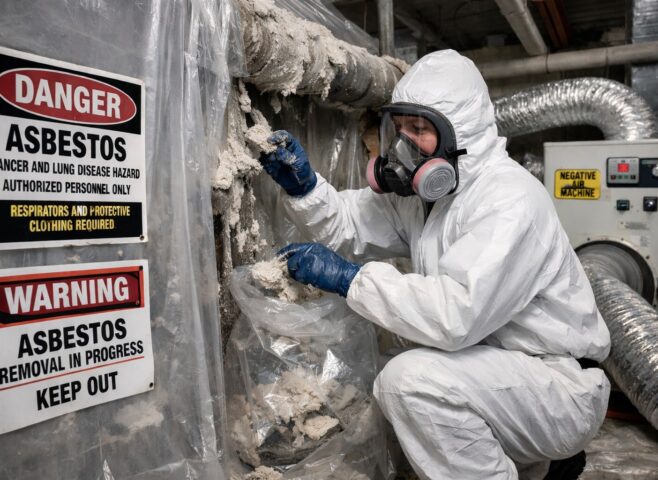
A positive test does not automatically mean every asbestos-containing product must be removed. Material in good condition may sometimes remain safely in place if it can be protected and will not be disturbed by the conversion. Products within the work area may require controlled removal or encapsulation.
The correct approach depends on the material and the planned method. Understanding licensed and non-licensed asbestos removal helps explain why some tasks need a licensed contractor while others follow a different controlled process.
Avoid improvised work during strip-out
Garage materials can appear simple to unscrew, break or lift, but careless handling can release fibres into tools, clothing, vehicles and nearby rooms. Ordinary dust masks and domestic vacuum cleaners are not suitable controls, and asbestos waste must be packaged and disposed of correctly.
Our guidance on why asbestos should never be removed as a DIY task explains how a small discovery can become a wider contamination problem.
Schedule testing before quotations are finalised
Early testing allows builders to prepare accurate quotations and sequence the work properly. If remediation is necessary, it can be completed before general contractors start demolition, helping prevent downtime and unexpected changes to the budget.
For an older garage in Exeter, an asbestos assessment is a practical first step toward a safe conversion. It protects workers and occupants while giving the project a clearer route from initial strip-out to finished living space.