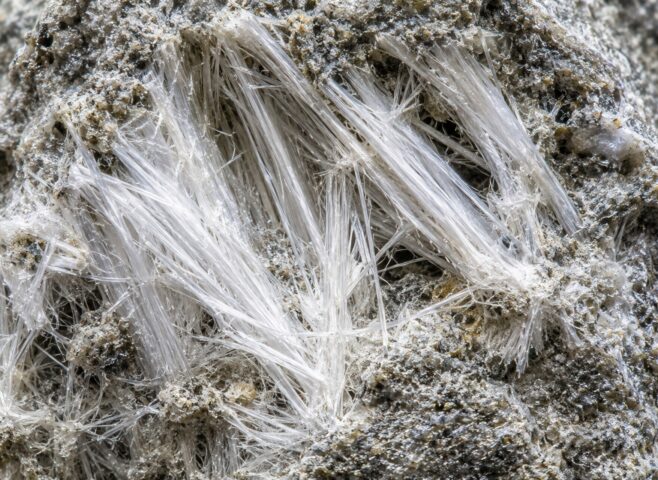
Replacing a leaking porch roof gutter can look like a small exterior repair, but older Exeter properties may contain asbestos in more places than expected. Cement guttering, soffit boards, fascia panels and roof-edge sheets were widely used in buildings constructed or refurbished during the twentieth century. If a gutter is bonded to, fixed through or resting against one of these materials, removing it without proper planning can release hazardous fibres.
The safest starting point is to pause the work and arrange a professional asbestos testing service. Testing can identify whether suspect materials are present before a roofer begins drilling, cutting, scraping or dismantling the porch edge. It also gives the project team useful information about the material’s condition and the controls needed for the repair.
Why a porch roof gutter can involve asbestos
Porches are often altered several times over their lifetime. A house may have its original roof replaced, a new gutter added, or a timber fascia covered with a cement-based board during a later renovation. Some properties also have small lean-to porches built from materials that match the main roof but are difficult to identify from ground level. A grey, weathered sheet may look like ordinary cement, yet its appearance alone cannot confirm what it contains.
Gutters and downpipe connections can create particularly awkward access points. Brackets may be screwed into a fascia, sealed against a roof edge or fixed through a soffit. Even if the gutter itself is metal or plastic, the fixings may disturb an asbestos-containing board behind it. The risk increases when old sealants have hardened, surfaces are cracked, or a contractor plans to remove several components together to make room for modern rainwater goods.
What testing should establish before work starts
A suitable surveyor or testing professional will first assess the porch roof and the proposed work area. They will consider which materials could be disturbed, how they are attached, their condition and whether the planned repair might affect adjoining surfaces. Where sampling is appropriate, small samples are taken using controlled methods and sent for laboratory analysis. The result should identify whether asbestos is present and, where possible, the type of asbestos-containing material involved.
Testing is valuable because it replaces guesswork with a documented decision. A negative result for a particular sample does not automatically prove that every material on the porch is asbestos-free, so the sampling locations and limitations matter. Ask for the findings to be recorded clearly and share them with the roofer, builder or property manager before a quotation is accepted. A contractor can then plan the correct sequence rather than discovering a suspect board halfway through the repair.
How the result changes the repair plan
If the tested materials do not contain asbestos, the roofer can proceed using normal controls appropriate to the condition of the roof and gutter. If asbestos is confirmed, the repair may still be possible, but the approach must be adjusted. Some intact materials can remain in place and be protected, while damaged or unavoidable materials may need controlled removal by a competent contractor. The decision depends on the product, its condition, the extent of disturbance and the work method.
Where removal is required, the work should be planned around preventing fibre release. That can include isolating the area, limiting access, using suitable protective equipment, choosing low-disturbance techniques and packaging waste correctly. Materials should not be broken up to fit a vehicle or placed in an ordinary builder’s skip. A written plan also helps coordinate the roofer and the asbestos contractor so that new guttering is not installed until the area has been made safe.
Common mistakes to avoid around older porch roofs
One common mistake is asking a roofer to “take a quick look” and treating a visual opinion as a test. Experience is useful, but asbestos-containing products can resemble non-asbestos cement and may be hidden behind trims or layers of paint. Another mistake is removing a downpipe first, then discovering that its bracket is attached to a suspect soffit. Small jobs can create the same exposure risk as larger refurbishments when the material is damaged or handled carelessly.
Do not pressure-wash, sand, drill or snap an old board simply to make the gutter easier to reach. Keep children, visitors and other trades away from the immediate area, and avoid sweeping debris if a material has already been damaged. If you suspect that work has disturbed asbestos, stop, prevent access and seek specialist advice. A prompt response is more useful than trying to clean the area with household equipment.
Choosing the right next step in Exeter
Good preparation keeps a minor porch repair from becoming an avoidable health and project-management problem. Arrange testing before the gutter or fascia is removed, keep the report with the job records, and make sure every contractor understands the findings. If asbestos is confirmed and removal is necessary, use a suitably experienced asbestos removal team rather than asking a general builder to add it to the job.
For advice about a suspected material, sampling options or a planned porch roof repair, you can contact Westcountry Asbestos Removal. The aim is not to delay essential maintenance; it is to establish what is present so the gutter can be replaced with a clear, controlled and properly documented plan.