Refurbishing a school or nursery requires careful coordination because even modest improvements can disturb walls, ceilings, floors and service routes. In buildings constructed or refurbished before 2000, some of those materials may contain asbestos, including products hidden behind later finishes.
Testing the affected areas before contractors arrive gives dutyholders and project teams evidence they can use. It supports safer planning, helps avoid disruption during term time and identifies whether controlled asbestos removal is required before general building work begins.
Routine improvements can reach hidden materials
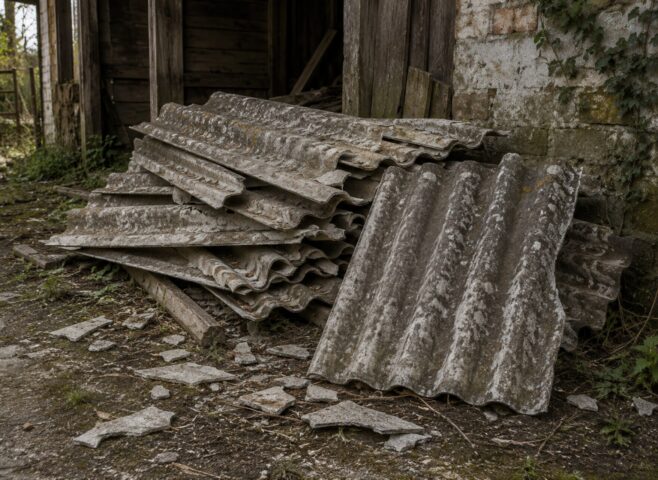
Installing displays, replacing lighting, upgrading heating, moving partitions or renewing washroom facilities can involve drilling and cutting. Potential asbestos-containing materials include insulation board, textured coatings, floor tiles, pipe insulation, cement products and fire-resistant panels around services.
A targeted asbestos testing service in Exeter can focus on the rooms and building elements included in the proposed project.
Use the refurbishment scope to guide the survey
The surveyor should receive drawings and a clear description of what contractors will disturb. An assessment designed for normal occupation may not be intrusive enough for refurbishment, particularly where concealed voids or fixed finishes will be opened.
Where suspect products are identified, controlled samples can be collected and analysed by a laboratory. The resulting report should record their locations, condition and test results so designers and contractors can plan suitable controls.
Respond proportionately to confirmed asbestos
A positive result does not necessarily mean every identified material must be removed. Sound products outside the work area may sometimes be managed in place, while materials that will be drilled, cut or demolished may require removal or encapsulation before the refurbishment proceeds.
The product and proposed method determine the legal requirements for the work. Guidance on licensed and non-licensed asbestos removal helps explain why the contractor, controls and notification arrangements must fit the material involved.
Protect staff, children and contractors
Clear information should be shared with everyone who plans or carries out the work. Affected areas may need to be isolated, and asbestos work should be scheduled so that other trades do not enter prematurely. Suitable waste procedures and any necessary clearance arrangements also need to be included in the programme.
School staff or general maintenance workers should never be asked to move suspect panels or finishes to help a project start sooner. Our advice on why asbestos should not be removed without appropriate expertise outlines the risks of uncontrolled disturbance.
Build testing into holiday-work schedules
Projects planned for school holidays often have firm deadlines, which makes early investigation especially valuable. Completing testing before the break allows time for specialist quotations, removal planning and coordination with follow-on trades.
For older educational buildings in Exeter, a focused asbestos assessment can make refurbishment safer and more predictable. Reliable findings help protect occupants and workers while reducing the chance that an unexpected material will delay reopening.