Renovation plans often begin with finishes, layouts and budgets. In an older Exeter property, however, one of the most useful early decisions is to establish whether materials likely to be disturbed contain asbestos. Testing before work begins can prevent an unexpected stop, protect everyone on site and give contractors the information needed to price the job properly.
Asbestos cannot be confirmed reliably by colour, texture or age alone. A small, controlled sample analysed by a laboratory provides a clear answer and helps turn an uncertain renovation risk into a manageable project decision.
Where asbestos may interrupt renovation work
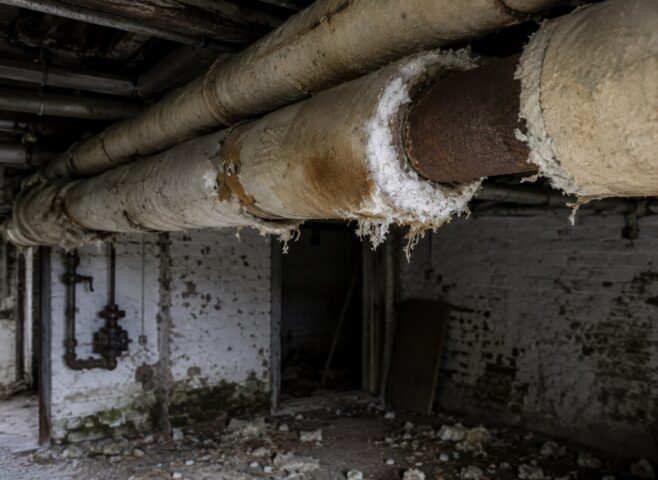
Asbestos-containing materials were used in many parts of domestic, commercial and industrial buildings. Renovation can affect textured coatings, insulation board, pipe insulation, floor tiles, cement sheets, soffits, roofing products and other concealed components.
The risk increases when work involves drilling, sanding, cutting, breaking or removing these materials. A contractor who discovers a suspect board after opening a wall may need to stop immediately, secure the area and wait for results. Arranging asbestos testing and removal in Exeter before the project starts allows this issue to be addressed in the programme rather than treated as an emergency.
Why visual identification is not enough
Many asbestos-containing products resemble modern asbestos-free alternatives. Even experienced tradespeople cannot confirm asbestos content simply by looking at a surface. Equally, a material that appears suspicious may prove to be harmless once analysed.
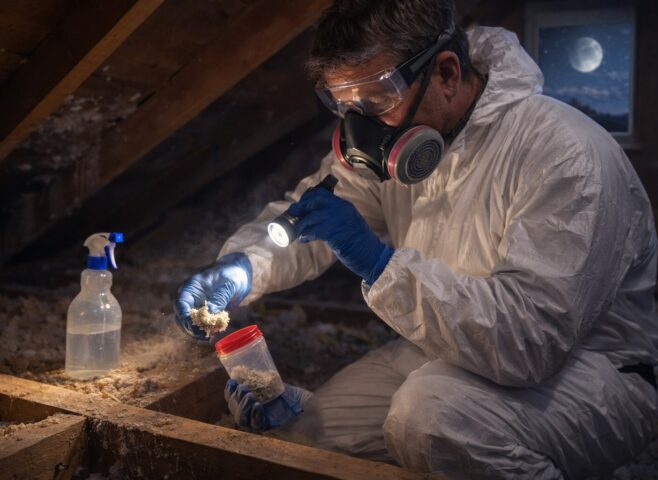
Professional sampling uses controlled methods to minimise disturbance. The sample is sealed, labelled and sent for laboratory analysis. The result identifies whether asbestos is present and can help determine the material type, giving the property owner a dependable basis for the next step.
Testing helps create a realistic budget
Unplanned asbestos work can affect labour, access, sequencing, waste disposal and the availability of specialist contractors. If the issue appears halfway through a renovation, trades may be left waiting while the area is assessed and made safe.
Early testing allows asbestos-related costs to be considered before contracts and start dates are finalised. Where removal is required, it can be scheduled ahead of other trades. Where sound material can remain in place, the design may sometimes be adjusted to avoid disturbing it.
When removal may be required
A positive test does not always mean immediate removal. The decision depends on the material’s condition, accessibility and the likelihood that planned work will disturb it. Sound, sealed material in an undisturbed location may sometimes be managed and monitored.
Removal becomes more likely when the material is damaged, deteriorating or directly in the path of refurbishment. The work category also matters. Some higher-risk asbestos activities require a licensed contractor, while lower-risk tasks may be non-licensed but still demand trained workers and appropriate controls. The distinction is explained in our guide to licensed and non-licensed asbestos removal.
Build the result into the project plan
The survey or test report should be shared with the people designing, managing and carrying out the renovation. Drawings and work instructions need to identify affected areas, including any asbestos that will remain in the building.
If removal is planned, it should normally be completed before other trades begin work in the area. The contractor’s plan should cover access, isolation, dust control, decontamination and the handling of asbestos waste. Clear boundaries and communication reduce the chance of accidental disturbance.
Avoid turning a small issue into contamination
Trying to remove suspect material without the right knowledge can spread fibres beyond the original location. Dust may travel on clothing, equipment and footwear, while domestic vacuum cleaners can make contamination worse.
For a fuller explanation of the risks, read why you should never remove asbestos yourself. Stopping work and obtaining professional advice is far more controlled than improvising once a material has been broken.
Keep the paperwork after completion
Retain the sampling report, laboratory results, removal documentation, waste consignment notes and any clearance certificate with the property records. If asbestos remains elsewhere, update the management information and ensure future contractors are told where it is located.
Good records protect more than the current renovation. They provide useful evidence for later maintenance, alterations, surveys and property transactions, reducing the chance that the same uncertainty will return.
Testing makes renovation decisions safer
Asbestos testing is a relatively early step that can prevent expensive disruption later. It identifies hidden constraints before workers and occupants are put at risk, supports accurate quotations and allows removal or management measures to be planned sensibly.
If an Exeter property was built or refurbished during a period when asbestos products were commonly used, arrange an assessment before intrusive work begins. A confirmed result gives the whole project team a safer and more predictable way forward.