When an older Exeter porch ceiling needs repair, repainting, insulation or replacement, asbestos testing should be part of the plan before any boards, panels or textured coatings are disturbed. Porches are often treated as minor additions, but many were built or altered during periods when asbestos-containing materials were widely used in homes and small extensions. A ceiling can hide asbestos insulating board, textured coatings, cement sheets or older insulation products, and damage can release fibres into a confined entrance area.
The safest approach is to identify what is present before work starts, decide whether it can remain undisturbed, and arrange the right controls if removal is necessary. Testing does not mean that asbestos must automatically be taken out. It provides the evidence needed to choose a proportionate method, protect residents and visitors, and give tradespeople clear information about the materials they may encounter.
Why porch ceilings can contain asbestos
Older porch ceilings may have been constructed with flat sheets, soffit-like panels or boards fixed beneath a roof structure. Some products were manufactured with asbestos to improve fire resistance, strength or insulation. A ceiling may also have been covered with a decorative textured finish, painted several times or patched around a light fitting, making the original material difficult to recognise by sight alone.
Previous alterations can make the picture less obvious. An electrician may have cut an opening for a light, a roofer may have replaced part of the covering, or a homeowner may have added timber battens beneath the original ceiling. Drilling, sanding, scraping and breaking can all change a material that was relatively low-risk when intact into a source of airborne contamination. This is why a visual guess is not a substitute for a suitable survey or sample analysis.
When testing should happen
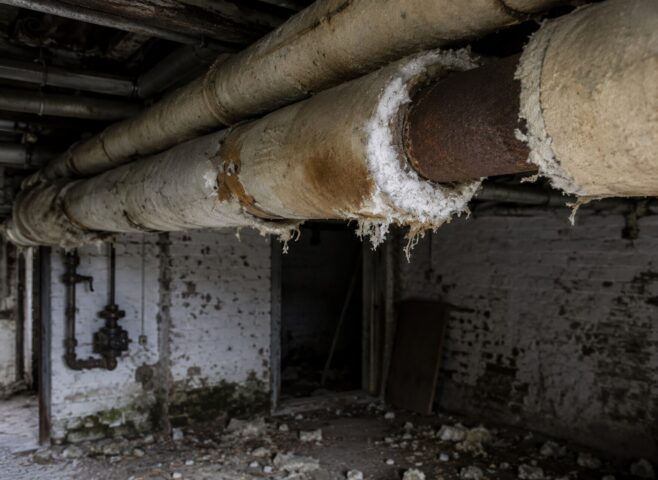
Testing should be arranged before removing ceiling boards, chasing cables, installing downlights, fitting insulation or preparing a surface for plastering. It is particularly important when the work involves opening the ceiling void, because materials above the visible finish may include insulation, pipe lagging or old debris. If a planned job changes after the first inspection, additional testing may be needed for areas that were not originally accessible.
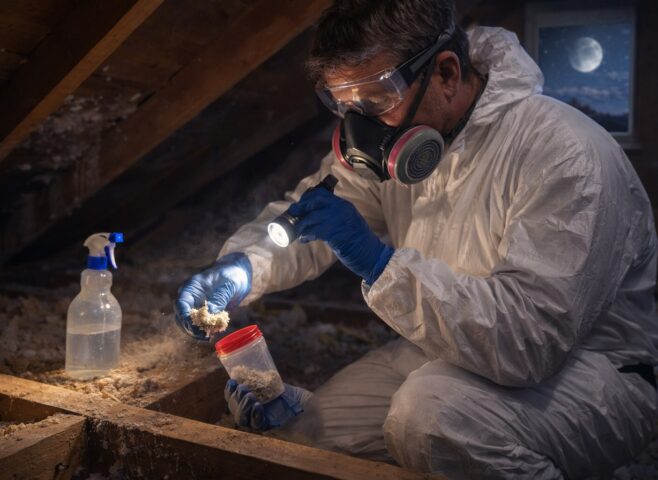
A qualified asbestos professional can assess the condition and location of suspected materials, take representative samples where appropriate and arrange laboratory analysis. Samples should not be taken casually by a homeowner or general contractor. The person carrying out the assessment should also consider whether sampling itself could release dust and should use suitable controls to keep the porch, hallway and adjoining rooms protected.
What a test result means for the project
A positive result is a planning decision, not a reason to panic. If the material is sound, firmly bonded and outside the work area, it may be possible to leave it in place, record its location and prevent future disturbance. A written record helps everyone understand what is present before another contractor returns to the property.
If the material is damaged or the proposed work will disturb it, the next step is to plan controlled removal, encapsulation or another suitable management measure. The choice depends on the product, its condition, the extent of disturbance and the people who may be exposed. A competent contractor should explain the sequence, containment arrangements, waste handling and clearance requirements before starting. You can also review the wider role of asbestos testing when planning work in an older property.
Keeping the porch and home protected
Until the result is known, avoid drilling, scraping, sanding or removing fixings from a suspect ceiling. Keep children and visitors away from the area if panels are loose or damaged, and do not sweep up dust or use a household vacuum after accidental breakage. Tell every contractor about the pending test so that no one begins work based on an assumption that the ceiling is ordinary plasterboard.
Good preparation also means considering the route through the property. A porch is connected to the front door, hallway and sometimes living areas, so uncontrolled dust can travel beyond the immediate work zone. Planning access, sealing and cleaning arrangements in advance reduces the chance of spreading contamination and makes it easier to return the entrance to normal use.
Arrange testing before the ceiling is disturbed
An older Exeter porch ceiling may be a small part of a building, but it still deserves the same careful asbestos decision-making as a larger refurbishment. Testing before work gives homeowners and contractors a clear basis for action, avoids unnecessary disturbance and helps ensure that any removal is carried out with appropriate controls. For related planning advice, see asbestos removal in Exeter and the guidance on testing before refurbishment work begins.
Westcountry Asbestos Removal can help assess suspected materials and explain the practical next steps for testing or removal. Arrange professional advice before starting work, especially if the ceiling is damaged, access is difficult or the project involves electrical, roofing or insulation changes.