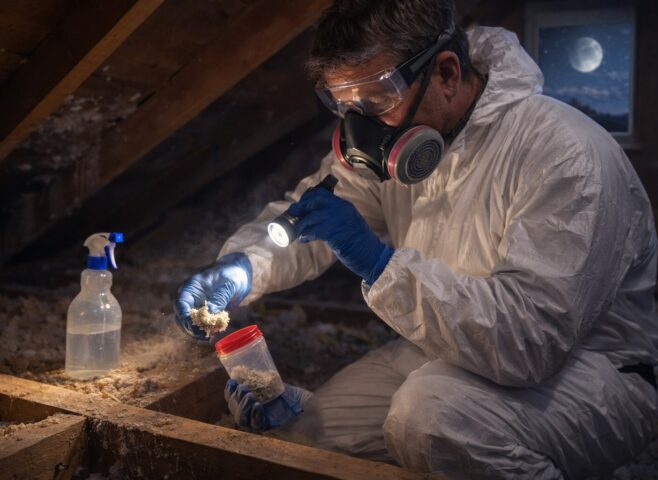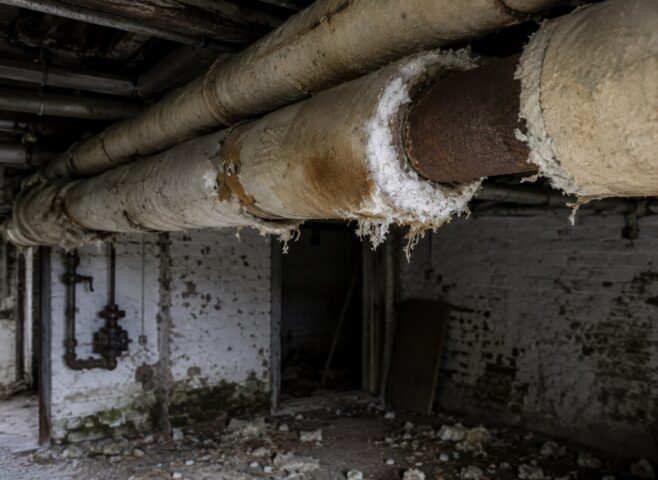
A loft conversion can add useful living space, but the work is highly intrusive. Builders may remove ceilings, alter roof structures, reroute services and open concealed voids. In an older Exeter home, these activities can bring workers into contact with asbestos-containing materials that were previously undisturbed.
Testing before construction begins gives the project team reliable information and allows any necessary controls to be built into the programme. It is far easier to address a confirmed material before the loft is full of trades, tools and new finishes.
Loft work affects more than the roof
A conversion often involves the ceilings below, stair openings, water tanks, pipework, electrical cables and fire-protection materials. Suspect products may be present around old heating systems, in insulation boards, textured coatings or cement components.
The assessment should follow the full scope of work rather than focus only on the visible loft floor. Designers and surveyors need to consider every route that builders will drill, cut or remove.
Why asbestos cannot be identified by sight
Older boards and coatings may resemble modern asbestos-free products. Colour, texture and location can indicate that investigation is needed, but laboratory analysis is required to confirm asbestos content.
Controlled sampling provides the evidence needed for a proportionate plan. Our article about asbestos testing and removal in Exeter explains how identification and remediation fit together.
Arrange testing before quotations are finalised
If contractors price the conversion without knowing about asbestos, the project may face variations and delays after work starts. Early testing allows specialist costs, access requirements and sequencing to be considered in advance.
Where removal is required, it can be completed before carpenters, electricians and plasterers occupy the area. Where sound material can remain safely managed, the design may sometimes be adjusted to avoid disturbing it.
Consider old tanks and service areas
Lofts frequently contain redundant water tanks, pipe insulation, heater components and boxed services. These areas may have been altered several times, leaving a mixture of materials from different periods.
Do not assume a disused component is harmless simply because it is no longer connected. Its surrounding insulation or panels may still require assessment before dismantling.
Choose the correct removal route
A positive test result does not automatically indicate one type of work. The asbestos product, condition and proposed activity determine the controls and whether a licensed contractor is needed.
Property owners can review the difference between licensed and non-licensed asbestos removal before comparing contractor proposals. Even non-licensed work requires competent people and suitable procedures.
Protect the occupied rooms below
Loft conversions take place directly above living areas, so dust control and access planning are especially important. Open stairwells, ceiling penetrations and service routes can allow debris to travel beyond the immediate work zone.
The asbestos work plan should define isolation measures, access routes, cleaning arrangements and how packaged waste will leave the property. Residents and general trades should remain outside controlled areas until the appropriate completion checks are finished.
Do not disturb suspect insulation yourself
Homeowners sometimes begin clearing a loft before the survey, moving boards, sweeping dust or removing old insulation. This can disturb materials before their identity is known.
If something appears suspicious, leave it in place and read why you should never remove asbestos yourself. A professional assessment is safer than trying to create a cleaner workspace through improvised removal.
Keep the results with the conversion records
Retain the survey, laboratory report, contractor documents, waste paperwork and any clearance certificate. If asbestos remains elsewhere in the roof or property, record its exact location and condition.
These documents will help with future roofing repairs, electrical work and property transactions. They also prevent later contractors from having to rediscover the same information.
Good planning keeps the conversion moving
Asbestos testing is a practical part of preparing an older home for structural change. It protects workers, reduces uncertainty and allows the programme to include specialist work at the right time.
Before beginning a loft conversion in Exeter, make sure the assessment reflects every material and area that the project will disturb. Reliable information at the outset gives the build a safer and more predictable route to completion.