Commercial refurbishment projects often move quickly from planning to strip-out, but older offices, shops, workshops and shared buildings can contain asbestos in materials that look entirely ordinary. Testing before work starts gives property owners and contractors the information they need to plan safely, control costs and avoid an unexpected shutdown.
Asbestos cannot be identified reliably by appearance alone. Materials that seem similar may have very different compositions, so a competent survey and laboratory analysis are the sensible starting point whenever refurbishment could disturb the building fabric.
Why refurbishment increases the risk of disturbance
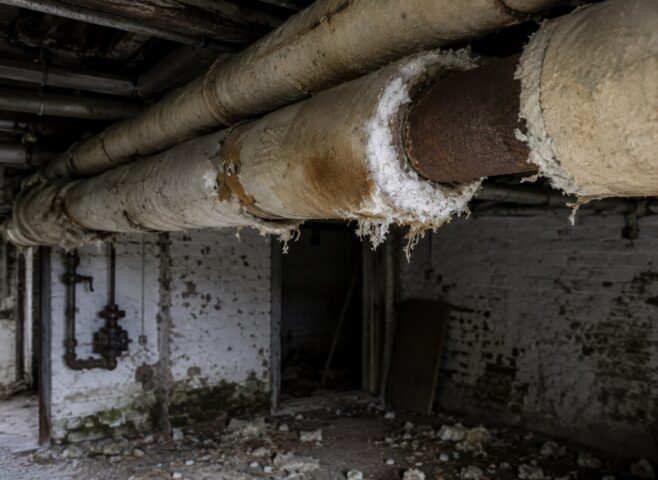
Drilling, cutting, sanding and demolition can release fibres from asbestos-containing materials. Common locations include textured coatings, insulation boards, pipe lagging, soffits, roofing products, floor tiles and old adhesives. Even a modest fit-out can reach concealed areas that have remained untouched for decades.
Arranging asbestos testing and removal in Exeter before contractors arrive helps define the scope of work and prevents assumptions from becoming safety risks.
What suitable asbestos testing involves
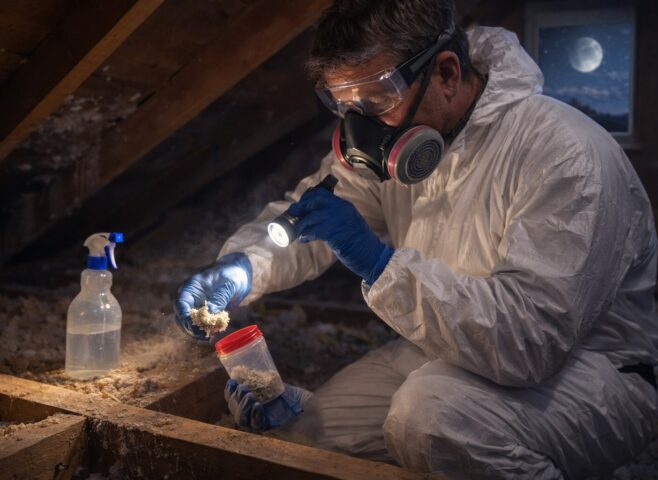
The appropriate assessment depends on the building and the proposed work. A refurbishment survey is more intrusive than a routine management survey because it must investigate the areas that will be altered. Representative samples are collected using controlled methods and sent to an accredited laboratory for analysis.
The resulting report should identify sampled materials, their location and condition, and the laboratory result. This evidence helps the project team decide whether a material can remain undisturbed, needs protection, or must be removed before refurbishment begins.
Turning test results into a safe work plan
A positive result does not automatically mean every material must be removed. The decision depends on its condition, accessibility and the likelihood of disturbance. Where removal is necessary, the material and work method determine whether the job is non-licensed, notifiable non-licensed, or licensed. Understanding the difference between licensed and non-licensed asbestos removal is essential when appointing the right contractor.
The asbestos information should be shared with designers, principal contractors and anyone whose work could affect the identified locations. The programme should allow enough time for specialist controls, waste arrangements and any required clearance procedures.
Why attempting removal creates unnecessary danger
Commercial pressures can make a quick DIY solution seem tempting, particularly when only a small area is involved. However, unsuitable tools, inadequate respiratory protection and poor waste handling can spread contamination beyond the work zone. Our guidance on why asbestos should never be removed without appropriate expertise explains the risks more fully.
Professional planning protects workers, occupants and neighbouring businesses while creating a documented route from discovery to safe completion.
Build asbestos checks into the project timetable
The best time to investigate asbestos is before prices, schedules and working methods are fixed. Early testing gives the project team space to assess the findings, obtain specialist quotations and coordinate any necessary removal without disrupting other trades.
For commercial property owners in Exeter, that preparation can mean fewer delays, clearer responsibilities and a refurbishment that begins with reliable information rather than guesswork.