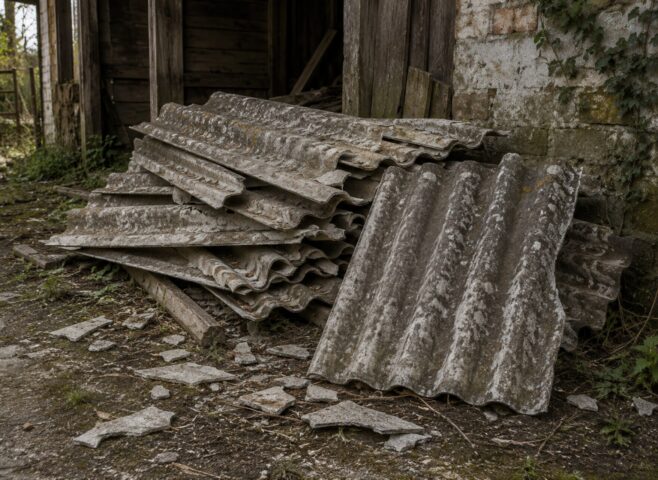
Removing an old conservatory can look like a straightforward home improvement job, especially when the aim is to replace it with a modern extension or open up more garden space. In an older Exeter property, however, the structure may contain asbestos materials that are not obvious at first glance. Testing before work begins helps identify potential risks while plans can still be adjusted safely.
Why conservatories can contain asbestos
Many conservatories were built or altered using materials that may contain asbestos, particularly where they connect to an older house. Cement sheets, roof panels, soffits, window boards, textured coatings, insulation products and old floor finishes can all require closer assessment. Asbestos is not identified reliably by colour or appearance, and a material that looks like ordinary cement or board may need professional sampling before it is disturbed.
The age of the property and the date of previous alterations are useful clues, but they are not a substitute for testing. Refurbishment work can expose hidden layers around the junction between the conservatory and the main building. If you are also removing an older garage or outbuilding, our guide to asbestos in garage and outbuilding renovations explains why these connected areas deserve attention.
What asbestos testing should cover
A competent asbestos surveyor will discuss the intended work and identify materials that could be affected by demolition, drilling, cutting or removal. Samples may be taken from suspect boards, panels, coatings, adhesives or flooring and sent to a laboratory for analysis. The objective is not to test every material unnecessarily; it is to obtain enough reliable information to make the planned work safe.
Keep the scope of the project clear when arranging the assessment. A survey limited to the conservatory may not answer questions about the wall, roofline or floor area where the structure joins the house. If the proposed work includes opening up the adjoining building, ask for those areas to be considered as part of the inspection.
What happens if asbestos is found?
A positive result does not automatically mean the whole conservatory has to be abandoned. The next step depends on the material, its condition and how the planned work will affect it. Some materials may be left undisturbed and managed, while damaged or unavoidable materials may need controlled removal by a suitably trained contractor.
Do not sweep, break, sand or load suspect debris into a skip while waiting for advice. Keep people away from the area and tell everyone involved in the project what has been identified. A written record of the result can then be used to brief trades and coordinate any necessary asbestos removal before the main building work begins.
Plan testing before demolition starts
Testing early gives homeowners, landlords and contractors time to price the work accurately and choose the right sequence. It can also prevent a demolition team from arriving only to stop work after encountering an unexpected panel or coating. Our article on what happens in a professional asbestos project covers the wider process from sampling through to clearance.
For older Exeter homes, testing is particularly sensible when the conservatory is being removed as part of a larger renovation. Plans, photographs and previous survey information can all help, but old records should be checked against the actual materials present on site. If water damage, impact or previous alterations have affected the structure, mention this when booking the assessment.
Safe next steps for Exeter property owners
Arrange asbestos testing before demolition, dismantling or intrusive preparation begins. Use the findings to decide whether materials can remain, require controls or need specialist removal. Once any required work is complete, retain the survey and clearance paperwork with the property records so future contractors know what was found.
If you are unsure whether a conservatory material should be disturbed, pause the work and seek advice. Our guide to safe next steps when an asbestos test changes the plan explains how to respond without creating additional exposure risks.