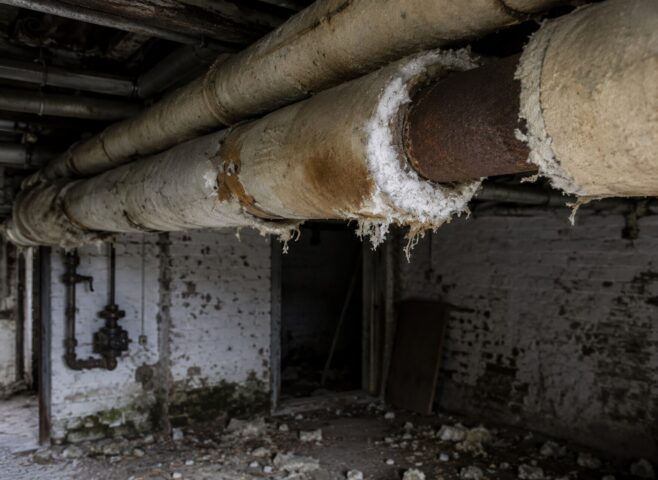
Replacing tired wall panels can make an older conservatory brighter, warmer and easier to maintain. It is also a job that can disturb hidden materials, particularly where a conservatory was built or altered several decades ago. Some older panels, backing boards, textured coatings, insulation products and adhesive residues may contain asbestos. The material cannot be identified reliably by colour or appearance, so testing should come before removal, drilling or cutting.
For homeowners in Exeter, a sensible first step is to pause the refurbishment and arrange an asbestos survey or targeted asbestos testing. A qualified professional can consider the age and construction of the conservatory, identify likely suspect materials and take samples safely where appropriate. A laboratory analysis then provides evidence about what is present, allowing the project to be planned around facts rather than assumptions.
Why conservatory wall panels can need testing
Conservatory wall systems are often more complicated than they look. A visible panel may sit over timber, cement board, insulation, plasterboard or an older lining. Previous owners may also have added a second layer during a repair or conversion. Asbestos-containing boards were used in many building applications because they were durable and resistant to heat, moisture and fire. That history means a panel replacement can expose more than the surface finish suggests.
Risk increases when work involves removing trims, breaking adhesive bonds, opening corners or fitting new electrical points. Even a small amount of uncontrolled damage can release fibres if a suspect board is cut, snapped or sanded. Keeping the panels intact and avoiding unnecessary disturbance until the material has been assessed is a straightforward precaution. Our asbestos testing service can help establish the next safe step for a property in and around Exeter.
What testing involves before removal
A professional begins by discussing the proposed work and examining accessible areas without disturbing materials unnecessarily. The inspection may include panel faces, rear linings, joint compounds, textured coatings, adhesives and adjacent boards. Where a sample is needed, it should be taken using controlled methods and suitable protective measures. The sample is sealed, labelled and sent to a competent laboratory for analysis.
The result normally identifies whether asbestos fibres were detected and, where possible, the type of asbestos present. It does not automatically mean that every panel must be removed. In some projects, the safest option is to leave an intact material in place and work around it. In others, removal is appropriate, but it must be planned according to the material, its condition, the amount involved and the way it can be accessed.
How the result changes the refurbishment plan
A negative result can give the installer confidence to proceed with the agreed panel replacement, while still requiring normal dust control and careful workmanship. A positive result changes the sequence. The area may need to be kept undisturbed, access restricted and the removal method reviewed. The contractor fitting the new panels should know about the result before ordering materials or beginning preparation, because fixing details and access arrangements may need to change.
It is also important to distinguish between a single targeted sample and a full survey. One sample can answer a specific question about one panel, but it may not represent hidden materials elsewhere in the conservatory. If the work will affect ceilings, floors, electrical routes or adjoining walls, the scope of testing should match the planned disturbance. Clear records help everyone understand which materials were tested and which areas remain outside the assessment.
What homeowners should avoid
Do not drill a trial hole, scrape a coating or pull a panel away simply to see what is behind it. Do not sweep up dust from exploratory work or use a household vacuum on debris that may contain asbestos. If a panel cracks unexpectedly, stop work, keep people away from the area and seek professional advice. Avoid moving loose fragments around the property, as spreading contamination can make a small incident more difficult and expensive to manage.
Homeowners should also be cautious about relying on paperwork from a previous project. Older reports may have covered a different part of the building, or the conservatory may have been altered since the inspection. Current testing is most useful when it is tied directly to the work being proposed. For wider refurbishment, professional asbestos removal advice can help determine whether a specialist contractor is needed and what controls should be in place.
Planning a safer Exeter conservatory upgrade
Testing early can prevent delays, redesigns and uncertainty. Share the planned panel layout, photographs and any available building history with the surveyor, and explain whether the work includes insulation, wiring, windows or structural changes. A clear brief makes it easier to select representative samples and identify related materials that may need attention.
Once the result is available, keep the report with the project documents and give it to the tradespeople who will work in the area. If asbestos is identified, do not assume that a low-risk-looking panel can be handled like ordinary waste. The correct decision may be to manage it in place, arrange controlled removal or revise the refurbishment sequence. If you are unsure what your next step should be, contact Westcountry Asbestos Removal to discuss testing and practical options for your Exeter property.