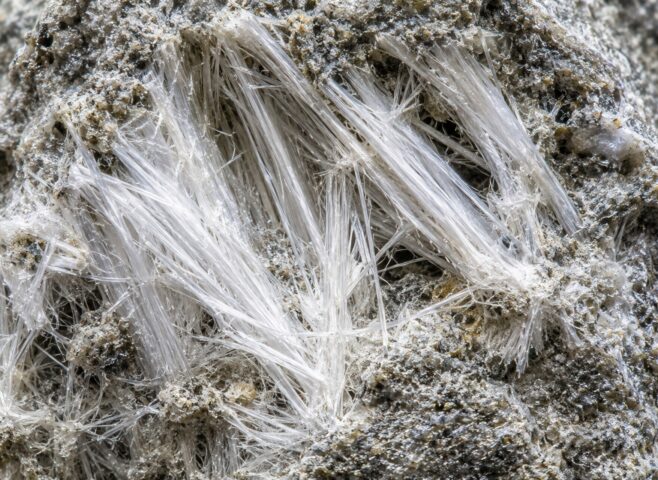
When an older Exeter property is being altered, even a small change around a window can disturb materials that have been in place for decades. Window boards, sills, reveals, backing panels and nearby linings may contain asbestos, particularly in buildings constructed or refurbished before the risks were widely understood. A board can look like ordinary cement, wood fibre or painted sheet material, but appearance alone cannot confirm what it is made from.
That is why asbestos testing should be planned before a window board is removed, cut, sanded or replaced. A survey or targeted sample gives the project a clear starting point, helping homeowners, landlords and contractors decide whether the work can proceed normally or needs a controlled asbestos removal approach. It also prevents a minor repair from becoming an avoidable exposure incident.
Why window boards can present an asbestos risk
Older window boards were sometimes made from asbestos cement or composite products, while asbestos-containing sheets may have been used beneath finishes, around service penetrations or as part of fire protection. The material may have been painted repeatedly, covered by plaster or hidden behind a newer replacement. Previous alterations can make the construction difficult to read, especially where a window has been widened, damp-proofing has been repaired or a radiator has been moved.
The greatest risk usually arises when the board is disturbed. Drilling for a new frame, levering off a stuck board, trimming an edge or using a power tool can release fibres if asbestos is present. Even when the visible surface appears intact, damage at the back or underside may not be obvious. A cautious decision before work begins is more practical than trying to identify contamination after dust has spread through a room.
What asbestos testing should cover
The right level of testing depends on the planned work. If the board will remain untouched and a contractor is only redecorating surrounding walls, a review of accessible materials may be enough for that limited task. If the board, sill, lining or adjacent panel will be removed, a competent asbestos professional can assess the material and take a carefully controlled sample where appropriate.
Testing should consider more than the board itself. Sealants, backing sheets, adhesives, textured coatings and old insulation can also be relevant, and a replacement window may require access to hidden areas. The sampling plan should reflect how the work will actually be carried out, including whether the frame is being removed, whether masonry will be chased and whether the opening will be enlarged. A result that is disconnected from the method statement may leave important materials unaddressed.
Where a laboratory confirms asbestos, the report should identify the material and explain the result clearly. It is useful to keep the report with the property records so that future contractors do not have to guess. This is especially valuable in rented homes, commercial premises and buildings likely to undergo further refurbishment.
Planning the replacement safely
Once the result is known, the next step is to plan the work around the material rather than improvising on site. If the asbestos-containing component is in good condition and can remain undisturbed, it may be possible to leave it in place with suitable controls and clear information for everyone involved. If removal is necessary, the work should be assigned to a contractor with the appropriate competence, equipment and disposal arrangements.
Before work starts, agree who will isolate the area, how dust will be prevented, what personal protective equipment is required and how waste will be packaged and transported. Household members, tenants and other trades should know when access is restricted. Windows can create awkward working conditions because the opening connects an indoor space with the outside, so weather, ventilation and temporary protection should be considered in advance.
For context, the same principle applies to other apparently routine refurbishment tasks, such as replacing an older bedroom ceiling or replacing older internal doors. Testing is most useful when it is linked to the exact work planned and the materials that could be disturbed.
When to pause and seek advice
Stop work if an unexpected board, sheet or lining is uncovered, particularly if it is cracked, fibrous, layered or difficult to identify. Do not sweep dust, use a household vacuum or take further samples without suitable controls. Keep people away from the area and record what was found, where it was found and what activity may have disturbed it.
Professional advice can then establish whether targeted asbestos testing is needed and whether any clean-up or removal measures should follow. A small investment before replacement work begins can protect occupants, tradespeople and the wider project from delay, uncertainty and unnecessary exposure. For Exeter properties, early planning is the safest way to turn a window upgrade into a controlled, well-documented job.
If you are also planning broader external alterations, review the guidance on testing before replacing an older carport roof and arrange advice before materials are disturbed.