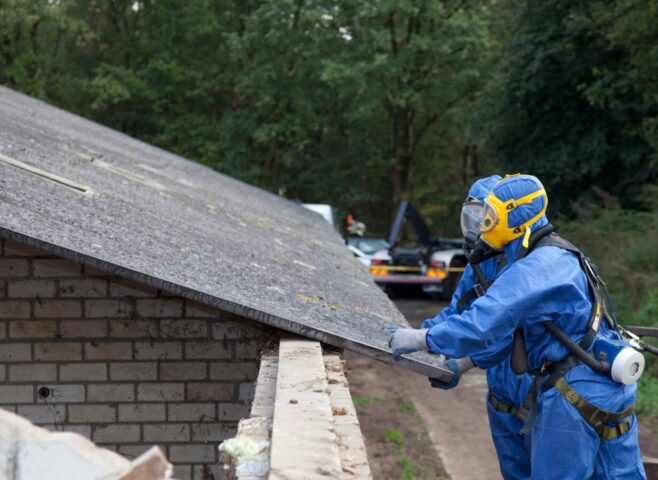
Replacing a damaged or dated bedroom ceiling can look like a straightforward decorating job, particularly when the room is empty and the existing finish is already cracked or stained. In an older Exeter property, however, the ceiling may include asbestos-containing materials such as textured coatings, insulating board, old ceiling panels or adhesive residues. The material is not necessarily dangerous simply because it is present, but drilling, scraping, cutting or breaking it can release fibres.
That is why asbestos testing should be planned before a contractor starts stripping the room. A sensible assessment can identify what needs to be left alone, what requires controlled removal and what precautions are needed for the rest of the work. It can also prevent a bedroom refurbishment from becoming an unexpected delay involving specialist cleaning, additional waste controls and changes to the original budget.
Why bedroom ceilings can need closer attention
Bedrooms in houses built or refurbished before the year 2000 may contain several layers from different periods. A textured decorative coating may have been applied over an older plasterboard ceiling, while a later repair may have introduced a small sheet of insulating board around a light fitting or loft access point. Even when the main surface appears uniform, the edges, joints and areas hidden behind coving can be made from something different.
Some older ceilings also show signs of previous leaks, movement or amateur repairs. Water staining can make a material softer and more likely to be disturbed during removal. A ceiling with flaking paint, exposed joints or a sagging section should not be scraped to “see what is underneath”. The safer approach is to pause the planned work and arrange an asbestos survey or targeted sampling by a competent professional.
What asbestos testing can establish
Testing is designed to answer a practical question: is the material likely to contain asbestos, and if so, what should happen next? A surveyor will consider the age and construction of the property, inspect accessible materials and take representative samples where sampling is appropriate. The sample is sent to a laboratory for analysis, rather than being judged by appearance alone. Textures that look similar can contain very different ingredients.
The result can give the homeowner and contractor a clearer work plan. A negative result for a properly selected sample may allow ordinary ceiling work to proceed with normal controls. A positive result does not automatically mean the whole ceiling must be removed. Depending on its condition and the proposed work, the best option may be to leave it in place, repair or encapsulate it, or arrange controlled removal by a suitable asbestos contractor.
When testing should happen
Arrange testing before obtaining a final quotation for stripping, replastering or installing a new ceiling. If a contractor has already priced the job, tell them that asbestos information is being obtained so that their method and estimate can be updated if necessary. This is especially important when the project includes recessed lighting, new cables, loft insulation, extractor ducting or any other work that will require holes and access through the ceiling.
Testing should also be considered before repairing a leak. Plumbers, electricians and decorators may all disturb the same surface while tracing a fault or fitting new equipment. If water has caused part of the ceiling to collapse, keep people out of the area, avoid sweeping or vacuuming debris with household equipment and obtain professional advice. A quick decision made before work begins is usually easier to manage than an emergency response after material has been damaged.
Planning the work after a positive result
If asbestos is identified, keep the laboratory report and survey information with the project records. Share it with every contractor who may enter the room, including trades who are not carrying out removal. The work sequence may need to change so that asbestos-related work happens before decorating, flooring or the installation of new fixtures. Clear communication helps prevent someone arriving with ordinary tools and starting work on a restricted material.
Where removal is required, choose a contractor with the right experience and ask how the area will be isolated, how dust will be controlled and how waste will be packaged and disposed of. A proper completion process should leave the room safe for the next stage, with any relevant records or clearance information provided. Be wary of plans that rely on dry sanding, uncontrolled breaking or simply covering a suspect surface without first understanding its condition.
A safer starting point for an Exeter refurbishment
For homeowners, landlords and project managers, the main benefit of asbestos testing is certainty before disruption starts. It gives the refurbishment team information about the materials they may encounter and allows time for the correct controls, quotation and schedule to be arranged. If you are planning wider work, our asbestos testing service can help identify the appropriate next step.
Ceiling work should be approached as a planned construction task rather than a quick cosmetic job when the property is older. If you have already found suspicious debris or damaged coating, stop disturbing it and keep the room clear while advice is arranged. You can also read our guidance on asbestos removal and the practical considerations for speaking to a specialist team. Careful testing at the beginning can protect occupants, tradespeople and the rest of the renovation budget.