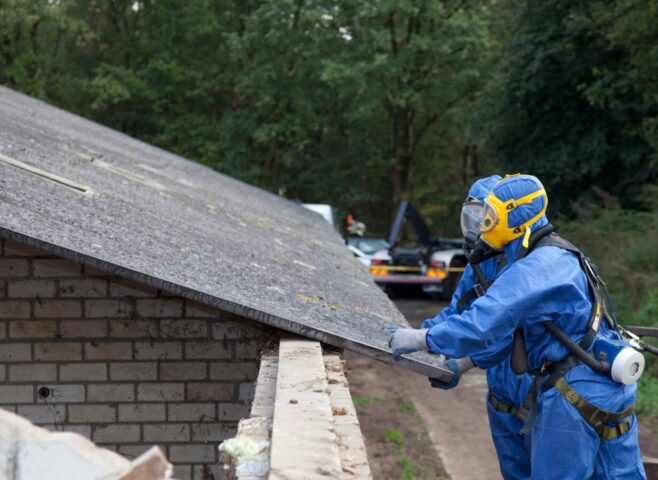
Replacing internal doors can look like a straightforward improvement, but work in an older Exeter property may disturb more than timber, hinges and paint. Door linings, panels, architraves, glazing compounds and adjacent wall materials can all have been repaired or altered over many decades. Some older products used asbestos, and fibres can be released when materials are cut, drilled, sanded or removed without proper controls.
That is why asbestos testing should be considered before a refurbishment team starts taking out old doors. A surveyor can help establish whether suspect materials are present, where they are located and whether they are in a condition that allows the planned work to continue safely. The result is a clearer job specification, fewer unexpected delays and better protection for everyone who may enter the property.
Where asbestos may be hidden around an older door
The door itself is not always the main concern. Older fire-resisting doors may contain asbestos-containing boards or cores, while panels and facings can sometimes be backed with less obvious materials. Around the frame, old packing, insulation, sealants and hard-setting compounds may also need consideration. A replacement project can expose these areas when the lining is prised away or when fixings are drilled out of the surrounding wall.
Floor-level details deserve attention too. Thresholds, levelling compounds and old vinyl finishes can extend beneath a doorway, particularly where rooms have been altered at different times. If a contractor assumes that every layer is ordinary plaster, timber or adhesive, the first cut or lift can turn a small joinery job into an uncontrolled disturbance. Testing helps identify that risk before tools are used.
Why a visual inspection cannot confirm safety
Asbestos-containing materials can resemble ordinary boards, paper, cement, textured coatings or old adhesive. Colour and age alone cannot confirm what a product contains. Even experienced tradespeople should not rely on appearance or on a previous owner’s description. A professional inspection considers the building’s age, construction history, planned disturbance and the condition of accessible materials, then recommends sampling where it is appropriate.
Samples should be taken by a competent asbestos professional using controlled methods. They are sent to a laboratory for analysis, and the report should identify the material, the result and any limitations. If the work will disturb several different materials, one sample may not be enough. A decision based on a single similar-looking area could leave a separate door lining, panel or threshold unaccounted for.
How testing changes the door replacement plan
A negative result for the relevant materials can give the contractor useful confidence, provided the report covers the areas that the replacement will disturb. A positive result does not necessarily mean the whole project must stop. It means the job needs a controlled response: the affected material may be left in place, enclosed, removed by a suitably qualified contractor or managed through a revised method of work.
For a homeowner, the practical benefit is that decisions can be made before ordering doors or booking several trades. The programme can allow for specialist removal where needed, and the joiner can avoid cutting into suspect areas. If the doorway connects a kitchen, bedroom, rented property or workplace, planning ahead also reduces the chance of spreading contamination through occupied rooms.
What to do if suspect material is uncovered
If a contractor finds an unexpected board, backing, sealant or damaged surface that may contain asbestos, work should stop in that immediate area. Do not sweep dust, break the material further or carry loose pieces through the property. Keep people away, close doors where practical and seek advice from a competent asbestos professional. A calm pause is safer and usually more economical than continuing and creating a larger clean-up.
The testing report and any photographs or notes should be shared with everyone involved in the job. They can then understand which materials are covered, which areas are excluded and what controls apply. Good records are especially valuable for landlords, facilities managers and anyone likely to carry out future repairs at the property.
Plan the work before removing the frame
Replacing an older internal door is a good example of why asbestos decisions belong at the planning stage. If you are also opening up walls, renewing flooring or carrying out electrical work nearby, the scope may need to be reviewed as one project. Our guidance on testing before opening up walls in an older Exeter property explains how adjoining work can increase the areas that need consideration.
For projects involving old flooring at the threshold, see our advice on asbestos testing before replacing old flooring in Exeter properties. If the property is being renovated as part of a wider refurbishment, our article about commercial refurbishment in Exeter also highlights the importance of coordinating surveys, records and contractor responsibilities.
Westcountry Asbestos Removal can help you understand the next safe step for an older Exeter property. Arrange professional advice before removing doors, frames or surrounding finishes so that the work begins with better information and a clear plan.