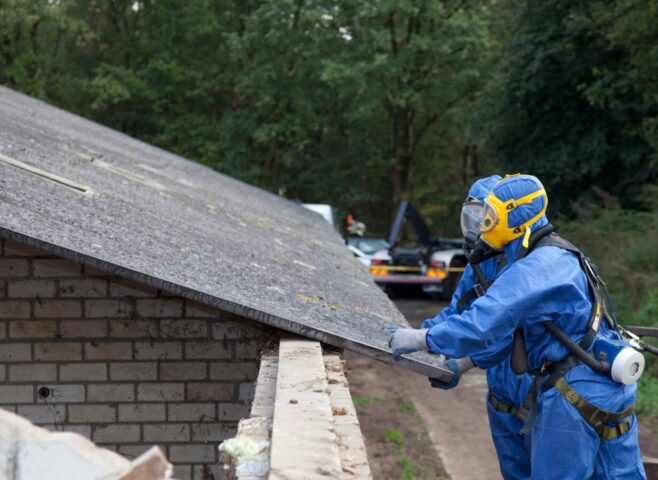
Older conservatories can look straightforward to renovate, but the floor often connects several different parts of the building: floor tiles, adhesive, levelling compounds, insulation, damp-proofing and sometimes older boards beneath. If the conservatory was built or altered several decades ago, some of those materials may contain asbestos. They may appear ordinary and remain undisturbed for years, but lifting, grinding, breaking or sanding them can release hazardous fibres.
That is why asbestos testing should be part of the plan before a conservatory floor is removed or substantially altered. A suitable survey or targeted material assessment gives homeowners and contractors better information before tools arrive on site. It can also prevent a planned flooring job from becoming an unexpected delay if suspect materials are discovered halfway through the work.
Why conservatory floors deserve careful attention
A conservatory floor may contain more than the visible finish. Vinyl tiles, textured flooring, dark adhesive, cementitious levelling layers and insulation boards have all been used in older buildings. A later layer of laminate, carpet or modern tile can hide the original material, while previous repairs may leave several different products in the same room. Visual inspection alone cannot reliably identify asbestos content, and a material that looks like ordinary adhesive cannot be confirmed safe by colour or texture.
The risk usually arises when the floor is disturbed. Pulling up tiles, chiselling around edges, drilling for thresholds or using a power tool to remove adhesive can damage the material and spread dust. Even if the work area is small, contamination can be carried on footwear, tools and clothing into adjoining rooms. Good planning therefore starts with identifying what may be present and deciding how it should be managed before the floor is opened up.
What asbestos testing can establish
A professional asbestos testing process normally begins with a discussion about the building’s age, previous alterations and the proposed work. The surveyor considers which materials could be affected by the renovation and takes representative samples where appropriate. Samples are sent to a competent laboratory for analysis, producing a report that explains whether asbestos was detected and identifies the material concerned.
Testing is most useful when it is linked to the actual scope of work. If the contractor only plans to install a new finish over an intact floor, the management approach may differ from a project involving full removal, subfloor repairs or changes to drainage and insulation. Clear information allows the work sequence to be adjusted responsibly. If asbestos is identified, the report can help determine whether the material should remain undisturbed, be enclosed, or be removed by a suitably qualified contractor.
How testing affects a conservatory flooring project
Arranging testing before requesting final quotations gives everyone a more realistic understanding of the job. A contractor can price the correct preparation method instead of allowing for guesswork, and the homeowner can compare quotes on a like-for-like basis. It also reduces the chance of an ordinary flooring installer being asked to handle a material outside their training or insurance arrangements.
Where asbestos is found, the next step is not to panic or start lifting samples independently. Keep the material undisturbed, restrict access to the area and ask for advice about the proposed work. Depending on the condition, location and extent of the asbestos-containing material, a planned removal or controlled treatment may be required. The work should be properly contained, with suitable protective measures and waste arrangements in place.
It is also worth considering nearby materials. A conservatory floor may meet the original house at a doorway, run beside an older wall lining or sit below a window that is being replaced at the same time. If the wider project includes other alterations, the assessment should cover the materials that the work will disturb, not just the centre of the floor. This helps prevent a second stoppage when a connected component is opened up later.
Planning the work safely in Exeter properties
Many Exeter homes have been extended, repaired and reconfigured over several generations, so original construction dates do not always tell the full story. A conservatory added to an older property may have a newer visible finish over an older base, or it may have been refurbished more than once. Keeping records of test results and any subsequent removal or management work can help future owners, tradespeople and maintenance teams make safer decisions.
If you are arranging asbestos testing before replacing a conservatory floor, share the intended method of work with the surveyor. Explain whether the floor will be lifted, levelled, drilled, insulated or covered. For broader renovation plans, information about asbestos removal can help you understand why different materials and conditions call for different controls. If water ingress, cracking or other damage has already affected the area, ask for advice before cleaning or disturbing debris; the guidance on asbestos testing after water damage may also be relevant.
A sensible first step before lifting the floor
The safest renovation is one that is planned around evidence rather than assumptions. Before removing an older conservatory floor, pause the work, identify the materials that will be disturbed and arrange an appropriate asbestos assessment. A clear result can confirm the planned approach, while a positive result gives you time to organise specialist controls before the project progresses. That small amount of preparation can protect occupants, tradespeople and the rest of the property from avoidable exposure.