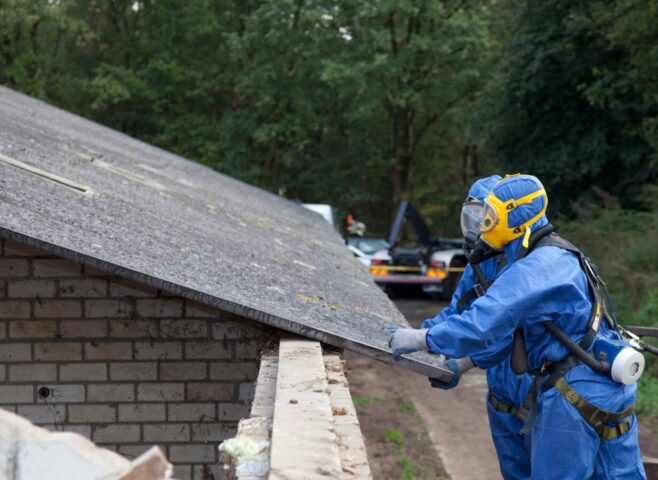
Replacing a tired conservatory door can make an older Exeter property warmer, safer and easier to use, but the work should not begin with a crowbar or a quotation based only on photographs. In buildings constructed or refurbished before asbestos was fully phased out, asbestos-containing materials may be present around door panels, reveals, soffits, trims, threshold details or adjoining wall finishes. They may look ordinary, yet drilling, cutting or sanding them can release hazardous fibres.
That is why asbestos testing belongs at the planning stage. A suitable survey or targeted sample can establish what is present before the installer removes frames, opens up the surrounding construction or disturbs old boards. For homeowners, landlords and contractors, the result is a clearer method statement, fewer unexpected delays and a much safer boundary between ordinary replacement work and controlled asbestos removal.
Why an Older Conservatory Door Can Need Testing
Conservatories are often treated as later additions, but they can contain materials from several different building periods. A door may have been replaced more than once, while the original threshold, lining or wall panels remain in place. Older textured coatings, cement-based boards, sealants, packers and fire-resistant components can all deserve consideration when the work involves disturbance rather than simple decoration.
The risk is not limited to the door leaf itself. Removing a frame can expose hidden packers or boards; widening an opening can disturb a panel beside the jamb; and fitting a new threshold may involve drilling into an older floor or cement product. If the conservatory connects to the main house, the work may also affect older plasterboard, soffit or service boxing. Testing helps define the work area before a contractor commits to a method.
What a Professional Testing Process Involves
A competent asbestos professional begins by discussing the planned work, the age and history of the property, and the exact areas that will be disturbed. They may inspect the door assembly, frame, threshold, adjacent boards and visible coatings before deciding where samples are justified. Sampling should be controlled and proportionate: the aim is to answer the construction question without creating unnecessary disturbance.
Samples are sent to a suitable laboratory for analysis, and the report should identify the material tested, its location, the result and any limitations. A negative result is useful only for the materials and areas actually covered. It does not automatically prove that every hidden component in the conservatory is asbestos-free. If the installation plan changes, the assessment may need to change with it.
How the Test Result Changes the Job
If no asbestos is identified in the materials that will be disturbed, the replacement can usually be planned as conventional building work, subject to the contractor’s normal controls. The report should still be retained with the project records, particularly for rental properties or future maintenance. It provides useful evidence for anyone who later needs to drill, repair or replace the door again.
If asbestos is found, the answer is not to abandon the improvement or attempt removal with household tools. The affected material should be left undisturbed while the scope is reviewed. Depending on its condition, location and type, it may be possible to adapt the installation, encapsulate or retain the material, or arrange controlled removal by a suitably competent contractor. The safe option depends on the material and the proposed disturbance, not simply on whether it is visible.
Planning Safely in Exeter
Allow time for testing before ordering bespoke doors or booking the installer. Share the report with everyone involved, including the builder, electrician and plasterer, because secondary trades may disturb areas that the initial door quotation did not mention. Keep the work zone controlled, avoid sweeping or dry cutting around suspect materials, and stop immediately if unexpected boards, coatings or debris appear.
Door replacement is a relatively focused project, but good preparation prevents a small job becoming an uncontrolled one. If your Exeter property is older, or if the construction history is unclear, arrange asbestos advice before work starts. For wider refurbishment planning, see our guidance on testing before replacing windows and doors, internal door replacement and conservatory floor work.
Westcountry Asbestos Removal can help property owners understand the testing required before intrusive work. Contact the team early, describe the proposed door replacement and provide any available building information so the assessment can be planned around the real scope of work.