Why PPE Is a Must for Asbestos Removal
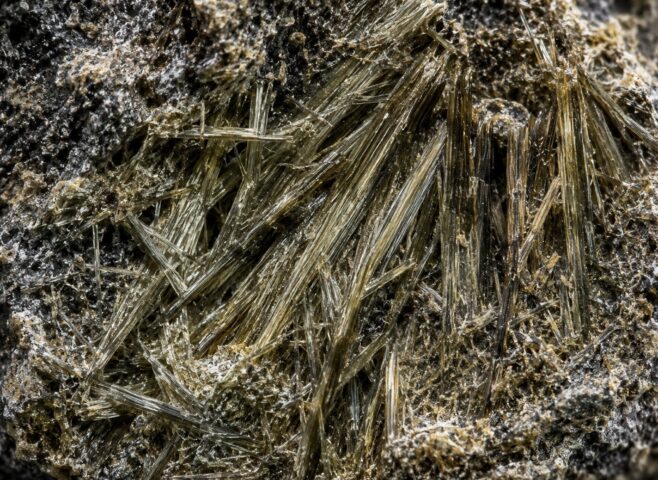
When asbestos is disturbed, it releases microscopic fibres into the air that cannot be seen, smelt, or felt. Once inhaled, those fibres lodge deep inside the lungs where the body cannot remove them. Over time this can lead to devastating diseases such as asbestosis, lung cancer, and mesothelioma. These illnesses often take decades to appear, which is why asbestos exposure is so dangerous — the damage is done long before symptoms are ever noticed.
Personal Protective Equipment, commonly known as PPE, is the only barrier between a worker and these deadly fibres. During asbestos removal, PPE is not a formality or a health and safety box to tick. It is what prevents fibres from entering the lungs, sticking to clothing, and being carried into vehicles, homes, and other environments where they can continue to cause harm long after the job is finished.

Specialist disposable overalls are designed to stop asbestos fibres from clinging to everyday clothing. Normal fabrics can trap fibres and carry them for miles, spreading contamination and putting other people at risk. Protective overalls form a sealed barrier that can be safely removed and disposed of after the job is complete, preventing fibres from escaping into clean areas.
Respiratory protection is just as critical. Asbestos fibres are incredibly small and easily inhaled, which is why properly fitted FFP3 respirators are used during asbestos work. These masks are designed to filter out the fine dust particles that carry asbestos fibres, protecting the lungs from exposure. Without this level of filtration, breathing in contaminated air becomes almost unavoidable once asbestos is disturbed.
Gloves and boot covers also play an important role. Asbestos fibres can settle on skin and footwear just as easily as they do on clothing. Without proper protection, fibres can be transferred to door handles, vehicles, carpets, and furniture, creating ongoing exposure risks for family members, colleagues, and anyone else who comes into contact with those surfaces. Using disposable protective gear ensures that everything worn in the work area is removed and safely disposed of when the job is finished.
Asbestos Safety & PPE: FAQs
Why is PPE so important when working with asbestos?
What type of PPE is required for asbestos removal?
Why can’t normal clothing be worn during asbestos work?
How does respiratory protection reduce asbestos risk?
Can asbestos fibres spread after a job is finished?
Is PPE enough on its own to stay safe?
What happens to PPE after asbestos removal?
Just as important as wearing PPE is knowing how to handle it correctly. Protective equipment must be checked before use to ensure it is intact and functioning as it should. After asbestos work is completed, PPE must be removed carefully to avoid releasing trapped fibres back into the air. It then needs to be disposed of as hazardous waste in line with strict regulations so that the fibres cannot escape and cause harm elsewhere.
Asbestos is unforgiving. You do not get a second chance once fibres have entered your body. Wearing the correct PPE, using it properly, and disposing of it safely is not about being cautious — it is about protecting your health, your family, and your future.