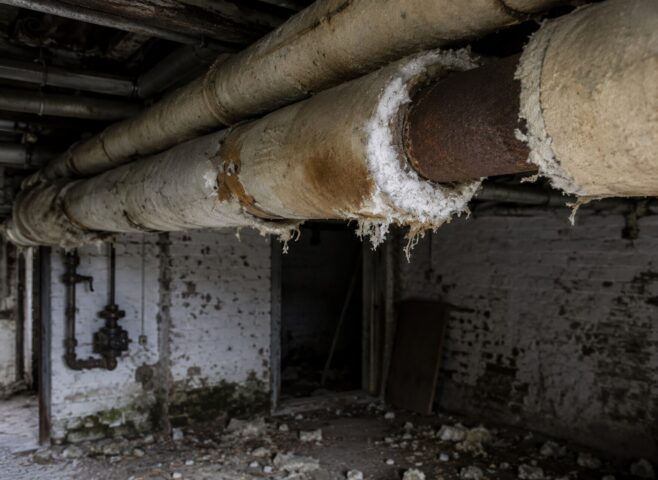
Refurbishing a dining room in an older Exeter property can seem like a straightforward project, especially when the plan is limited to new flooring, fresh lighting or a more open layout. However, work that disturbs ceilings, walls, floors or built-in features can expose asbestos-containing materials that were installed decades ago. Asbestos is not always obvious from appearance, and a material that looks like ordinary board, plaster or textured coating may need professional assessment before it is cut, drilled, sanded or removed.
Arranging asbestos testing before work begins gives homeowners, landlords and contractors a clearer understanding of what is present. It helps separate safe, manageable work from tasks that require a controlled approach, and it reduces the risk of an avoidable exposure during the refurbishment. A survey and sampling plan should be based on the actual work proposed, rather than relying on the age of the building alone.
Why dining-room refurbishment can disturb hidden materials
Dining rooms often sit at the centre of an older home, which means they may have been altered several times. Previous owners may have installed suspended ceilings, partition walls, decorative panels, heating features or electrical chases. Adhesives beneath older floor tiles, textured coatings on ceilings, insulating board around fireplaces and panels used behind radiators can all be disturbed during seemingly minor improvements.
Opening a wall to add sockets, lifting flooring to improve insulation, or removing a ceiling finish can release fibres if an asbestos-containing product is damaged. Even when the main room appears modern, materials may remain underneath later coverings. This is why visual checks alone cannot confirm that a surface is asbestos-free. A competent asbestos professional can identify likely materials, decide where sampling is appropriate and explain which parts of the plan need controls.
What asbestos testing should cover
The right scope depends on the proposed refurbishment. If the work involves only repainting an intact, sound surface, the risk profile is different from a project that includes removing floor tiles, chasing walls or taking down a ceiling. Before testing, it is useful to prepare a short schedule of works and note every area that may be opened, removed or mechanically disturbed.
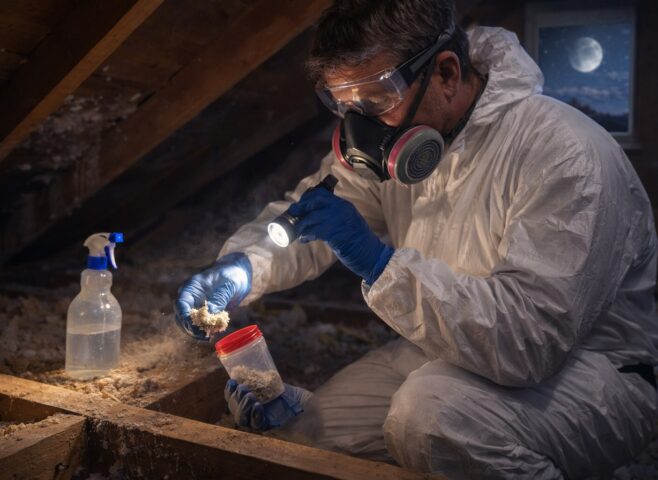
Testing may include representative samples from floor coverings and their adhesives, ceiling coatings, insulating board, old partition components, service boxing and other suspect materials. Sampling should be carried out safely and by a suitably qualified professional. The laboratory result can identify whether asbestos is present and, where relevant, the type of asbestos found. That information supports a proportionate plan instead of guesswork or unnecessary disruption.
For wider guidance on preparing older properties, homeowners can review asbestos testing before opening up walls. If flooring is part of the dining-room project, it is also sensible to consider the risks described in testing before replacing old flooring.
How results affect the refurbishment plan
A positive result does not automatically mean that the entire project must stop. In some cases, an asbestos-containing material is in good condition and can remain in place if it is protected from damage. In other cases, the planned work may need to be redesigned so that the material is avoided. Where removal or significant disturbance is necessary, a specialist contractor can advise on the appropriate controls, enclosure, protective equipment, waste handling and clearance arrangements.
The important point is to make that decision before trades begin. A decorator, electrician, flooring installer or builder should know about relevant asbestos materials and the boundaries of the work. Passing information on early prevents someone from drilling into a suspect board or lifting a bonded floor covering without understanding the hazard. It also makes quotations and timescales more realistic, because the asbestos-related part of the work can be planned separately.
Why DIY removal and informal advice create problems
Older dining rooms often contain materials that are difficult to identify confidently without sampling. Internet photographs, property age and a previous owner’s reassurance are not substitutes for professional testing. Some asbestos products are visually similar to non-asbestos alternatives, while others are hidden behind later finishes. Attempting to remove suspect materials can spread contamination into adjoining rooms, furnishings and ventilation routes.
It is safer to pause the work, restrict access to the affected area and obtain advice when an unexpected material is uncovered. Do not sweep, sand, break or use power tools on it while deciding what to do next. A controlled assessment can prevent a small uncertainty from becoming a much larger clean-up and delay.
Plan testing before the first tool is used
The most effective time to arrange asbestos testing is during the planning stage, before deliveries arrive and before contractors start stripping the room. Share the proposed drawings or schedule of works so the assessment is relevant to the actual refurbishment. Keep the report and laboratory results with the project records, and make sure everyone working in the room understands any restrictions.
For broader advice about older domestic refurbishment, see asbestos testing before replacing an older bathroom. A careful approach helps protect occupants, workers and neighbouring areas while keeping the renovation moving on a sound basis. If you are planning changes to an older Exeter dining room and are unsure whether hidden asbestos could be affected, arrange professional testing before disturbing the fabric of the building.