Buying an older property is exciting, but it can also reveal building materials that are unfamiliar to modern homeowners. Asbestos may be present in a range of products installed during earlier construction or refurbishment, and its presence can affect planned renovations, maintenance budgets and the order in which work should proceed.
For buyers in Exeter, asbestos testing can provide useful clarity before intrusive work begins. It helps distinguish a manageable material from one that needs professional removal and prevents contractors from discovering the issue unexpectedly after the project has started.
A standard viewing cannot identify asbestos
Many asbestos-containing materials resemble products that contain no asbestos. Colour, age and texture may indicate that further investigation is sensible, but they cannot provide a reliable conclusion.
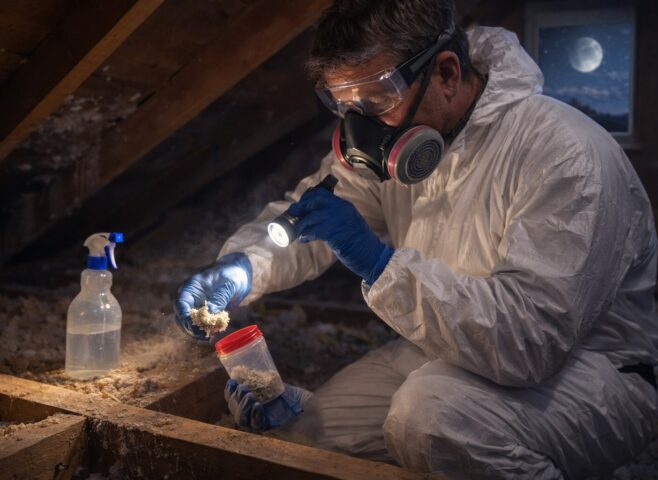
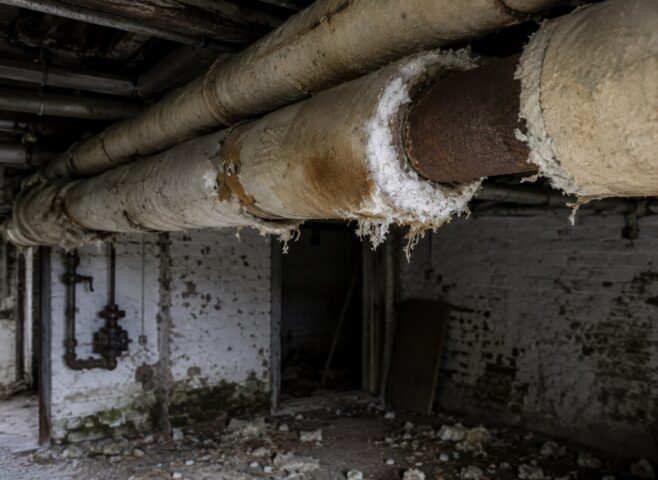
Some materials are also hidden behind newer finishes, inside service cupboards or beneath flooring. A survey or targeted sampling plan should reflect the property and the work the buyer intends to carry out.
Testing supports informed renovation plans
A purchaser planning to move walls, replace ceilings, rewire rooms or alter heating systems needs more information than someone who will leave the building unchanged. The likelihood of disturbing suspect materials should guide the scope of the assessment.
Our overview of asbestos testing and removal in Exeter explains how laboratory results can be translated into a practical plan.
Consider garages and external structures
The main house is not the only place where asbestos may be present. Garages, sheds, lean-tos and outbuildings may contain asbestos cement roof sheets, wall panels, gutters or downpipes.
These materials can be affected by weathering and may become brittle over time. If an outbuilding is due for demolition or conversion, include it in the assessment rather than treating it as a separate project later.
A positive result does not always prevent a purchase
Asbestos that is in sound condition and unlikely to be disturbed may sometimes be managed safely in place. The important factors are the product type, its condition, location and the likelihood of future work.
A clear report allows the buyer to understand whether monitoring, encapsulation or removal is recommended. This information can inform the renovation programme and help avoid unrealistic assumptions about immediate costs.
Know when specialist removal is required
Different asbestos products and work methods require different controls. Higher-risk activities may require a licensed asbestos contractor, while some lower-risk work can be non-licensed but must still be completed by trained people using appropriate procedures.
Buyers comparing estimates should understand the difference between licensed and non-licensed asbestos removal. A reputable contractor should explain the work category rather than provide only a headline price.
Factor asbestos into the property budget
Testing and any recommended work should be considered alongside electrical upgrades, roofing, damp treatment and other renovation costs. Early information allows specialist work to be completed before decorators and general trades enter the affected areas.
Leaving the question unresolved can produce delays, remobilisation costs and changes to the design once work is underway. A modest investigation at the planning stage can make the wider budget more dependable.
Do not disturb materials during an informal inspection
A buyer or general contractor should not drill, scrape or break a suspect material to investigate it. Sampling requires controlled methods that minimise dust and preserve a reliable chain from the property to the laboratory.
If a damaged material is discovered, avoid improvised clean-up and read why you should never remove asbestos yourself. Restricting access and seeking competent advice is the safer response.
Keep the results with the property records
After completion, retain the survey, laboratory results, removal documentation, waste records and any clearance certificate. If asbestos remains, record its exact location and condition for future owners and contractors.
Good documentation prevents the same uncertainty from returning during later maintenance. It also helps ensure that a product being safely managed is not accidentally disturbed by someone unfamiliar with the building.
Turn uncertainty into a practical decision
Asbestos testing is not about making every older property appear hazardous. It is about identifying specific materials so that buyers can make proportionate, informed choices.
If you are purchasing an older home or commercial property in Exeter and expect to renovate, arrange appropriate advice before intrusive work starts. Reliable evidence makes it easier to protect occupants, brief contractors and plan the project with confidence.