Finding a suspect board, coating or insulation product during home improvements can be alarming, but the safest response is straightforward: stop disturbing it, keep the area controlled and arrange professional asbestos testing. Acting calmly at this stage can prevent a small discovery from becoming a wider contamination problem.
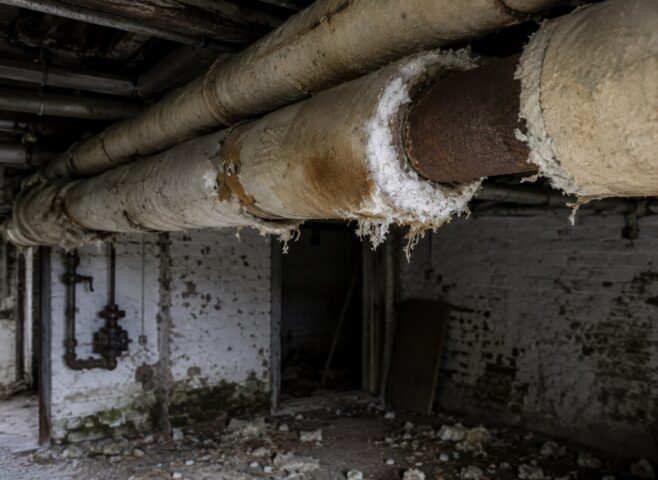
Older homes in Exeter may contain asbestos in places that are not obvious until refurbishment begins. Knowing what to do—and what not to do—helps protect residents, tradespeople and visitors while the material is identified.
Stop work without creating more dust
If a material is uncovered or damaged, pause the activity immediately. Do not sweep fragments, use a domestic vacuum cleaner or continue drilling to “finish the job”. These actions may spread fine particles beyond the original work area.
Keep people away, close the door where practical and avoid carrying dusty tools or clothing through the property. If the discovery occurred while a contractor was working, make sure the site manager knows exactly what was disturbed and where.
Arrange testing instead of relying on appearance
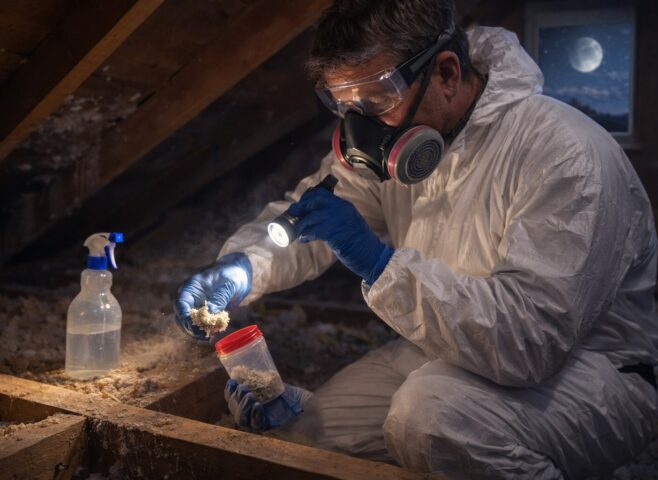
Asbestos-containing products can look very similar to modern, asbestos-free materials. Photographs and visual checks may help a professional assess likelihood, but laboratory analysis of a carefully collected sample is what confirms the material.
A competent sampling service will use controlled methods, securely package the sample and send it to an appropriate laboratory. Homeowners who need flexible appointments can read about evening and weekend asbestos testing in Exeter and across Devon.
What a positive result actually means
A positive result does not always mean the whole room or property requires extensive removal. The next decision depends on the type and condition of the material, whether it has been damaged, and how the planned work will affect it.
Sound material in a protected location may sometimes be sealed, recorded and managed in place. Damaged material, or material that must be disturbed to complete the project, may require controlled removal. The recommendation should reflect the real risk rather than assumption or panic.
Choose the correct removal approach
Different asbestos products require different levels of control. Some higher-risk work must be carried out by a licensed contractor. Other tasks may be classed as non-licensed work, but they still require trained people, suitable protective equipment, controlled working methods and lawful waste disposal.
Our explanation of licensed and non-licensed asbestos removal provides a useful starting point. The contractor should explain which category applies to the material and provide a clear plan before work begins.
Protect the rest of the renovation
Once results are available, update the programme before other trades return to the affected area. If removal is needed, it should be coordinated so that electricians, plumbers, decorators and builders do not enter or disturb the work zone.
The asbestos report should be shared with everyone whose work could affect the material. Any asbestos remaining in the building must be clearly documented, with its location and condition recorded for future maintenance or refurbishment.
Do not improvise a DIY clean-up
Ordinary masks, disposable decorating overalls and household cleaning equipment are not substitutes for asbestos controls. An improvised attempt can transfer dust to carpets, furniture, vehicles and other rooms, increasing the scope and cost of the response.
Before considering self-removal, review why property owners should never remove asbestos themselves. Professional advice is particularly important after a material has already been broken.
Keep evidence of what was done
Retain the laboratory result, survey information, contractor documentation, waste paperwork and any clearance certificate. These records demonstrate how the discovery was handled and help future contractors avoid repeating the same uncertainty.
If asbestos remains elsewhere in the property, include it in the building’s management information and check its condition periodically. A clear record is often as important as the immediate physical work.
A controlled response keeps the problem manageable
Discovering suspected asbestos during improvements does not need to derail the entire project. Stopping work early, preventing further disturbance and obtaining a reliable test result creates a safe basis for the next decision.
For homeowners and contractors in Exeter, the key is to treat the material with care until its identity is known. From there, competent advice can determine whether management, encapsulation or professional removal is the right solution.