Replacing an older porch roof can look like a straightforward improvement, especially when the work appears limited to a few sheets, trims or a small canopy. In practice, porch roofs often contain materials fitted during earlier building work, and some may include asbestos cement or other asbestos-containing products. If the property was built or refurbished before asbestos was fully prohibited, testing should be part of the plan before anything is drilled, cut, lifted or broken.
A small roof still deserves the same careful approach as a larger refurbishment. The size of the job does not determine the risk. The condition of the material, the way it will be disturbed and the people who may be exposed are more important. For Exeter homeowners, landlords and contractors, arranging an asbestos survey or targeted asbestos testing early can prevent an avoidable delay and provide a clear basis for safe decisions.
Why porch roofs can contain asbestos
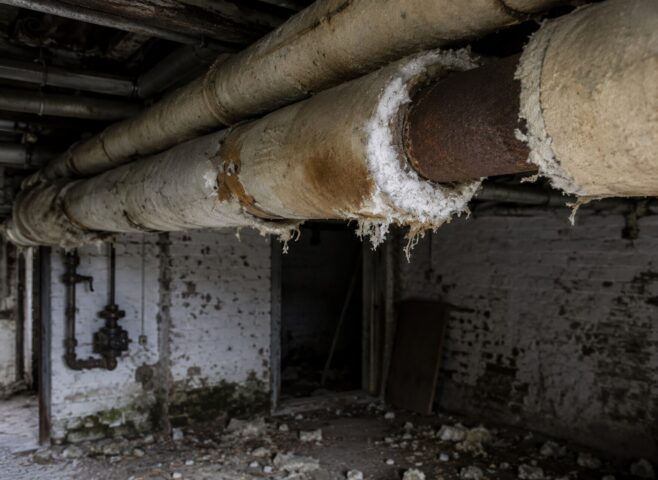
Asbestos cement sheets were widely used for outbuildings, garages, sheds and canopies because they were durable, weather resistant and relatively inexpensive. Porch roofs may also have asbestos-containing soffits, fascias, flue surrounds, guttering components or backing boards hidden beneath later coverings. A roof that has been overclad may conceal an older layer that is not visible from the ground.
It is not possible to confirm whether a roof material contains asbestos by its colour, texture or age alone. Some non-asbestos products look similar, while weathering can make identification even more difficult. Age is a useful reason to investigate, but it is not a substitute for sampling by a competent professional. Treating an uncertain material as harmless can create dust during work and leave everyone relying on guesswork.
When testing should happen
The best time to arrange testing is before quotations are finalised and before a roofer arrives with tools. If the replacement involves removing sheets, drilling fixings, cutting around a wall junction or opening the ceiling below, the test result may affect the method, programme and price. Early information gives the contractor time to plan correctly rather than stopping halfway through the job.
Testing is especially important where a porch has been altered several times, where the roof has been damaged by storms, or where previous repairs have added sealants and replacement panels. Water ingress can weaken materials and complicate removal. A targeted survey can focus on the roof covering and associated components, while a wider survey may be appropriate if the porch is connected to an older extension or if other refurbishment work is planned.
Homeowners considering broader improvements can also review the guidance on asbestos testing before replacing windows and doors, because the same principle applies: identify hidden materials before disturbing the surrounding structure.
What a professional asbestos test involves
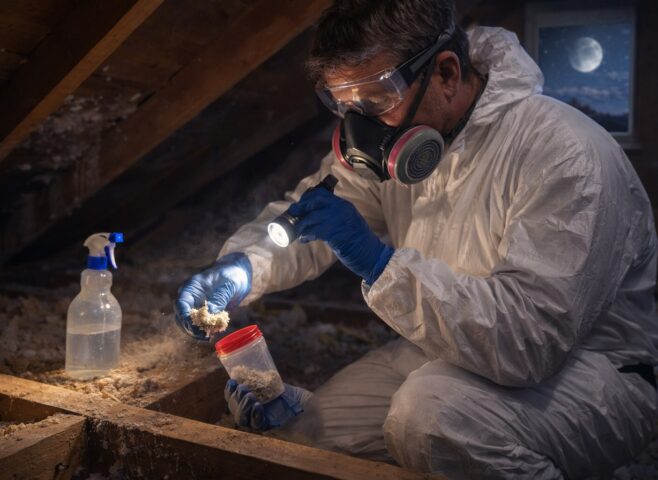
A competent surveyor will first discuss the proposed work, inspect the accessible areas and consider how the porch has been constructed. Where sampling is necessary, a small sample is taken using controlled methods designed to minimise disturbance. The sample is then examined by an appropriate laboratory, and the report identifies whether asbestos is present and, where relevant, the material type.
The result should be read alongside the scope of the project. A positive result does not automatically mean the entire porch must be removed. Some materials may be left in place if they are sound and will not be disturbed, while others may require controlled removal by a suitably trained contractor. The key is to match the response to the material condition and the planned work rather than making a rushed decision based on fear.
Planning safe roof replacement work
If asbestos-containing material is confirmed, the next step is to agree a written plan. This should explain which items are affected, how they will be isolated, how they will be removed, how waste will be packaged and where the replacement work begins. The person arranging the project should make sure every contractor understands the findings before work starts, including electricians, builders and roofers who may work around the porch.
Good planning also considers residents, visitors and neighbours. Doors and windows near the work area may need to remain closed, and children or pets should be kept away from the immediate zone. Materials should never be smashed to make them easier to carry, and ordinary household waste routes are not suitable for asbestos waste. A specialist can explain the appropriate controls and disposal arrangements.
For a broader look at preparing older homes before renovation, see how asbestos testing prevents costly renovation surprises. If the roof is part of a larger conversion or extension, the advice on testing before converting an Exeter garage may also help with sequencing surveys and building work.
What Exeter property owners should do next
Do not disturb a suspect porch roof simply to check what it is. Pause the replacement, note the age and construction of the property, and describe the planned work to an asbestos professional. Photographs can help with an initial discussion, but they cannot replace a proper inspection or laboratory result where sampling is needed.
Once the findings are available, keep the report with the property records and share it with everyone involved in the job. Clear information at the start protects occupants, keeps contractors working to the same plan and reduces the likelihood of an expensive last-minute change. For older Exeter properties, asbestos testing is a modest early step that can make a porch roof replacement safer, calmer and far easier to manage.