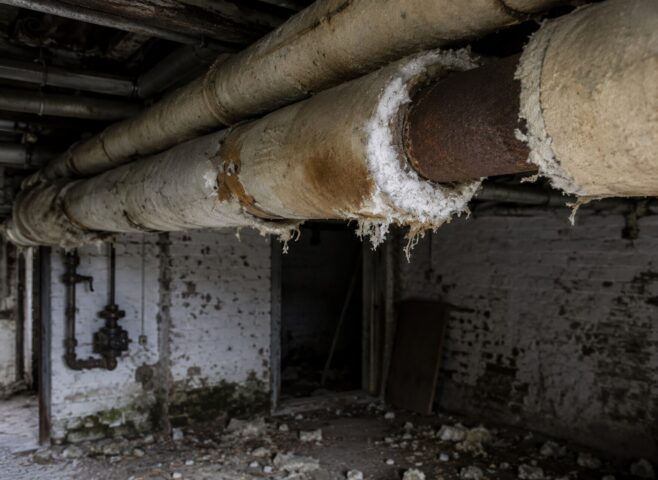
Replacing tired fascias and soffits can make an older Exeter property look smarter and help protect the roofline from rain, birds and damp. It is easy to view the work as a straightforward exterior improvement, particularly when the boards are weathered or beginning to sag. However, roofline materials installed in older buildings can sometimes contain asbestos, and disturbing them without the right information can release hazardous fibres.
Asbestos is not always obvious from colour or texture alone. A cement sheet, soffit panel or backing strip may look like ordinary modern material while having a very different risk profile. Testing before removal gives homeowners, landlords and contractors a clear basis for planning the job. It can prevent an unnecessary disturbance, identify the correct controls and make sure any asbestos-containing material is handled by people with the appropriate competence and equipment.
Why roofline work can disturb asbestos
Fascias and soffits are often fixed at the edge of a roof where several materials meet. Older properties may have cement-based boards, panels beneath the eaves, packers, sealants or hidden backing pieces that are not visible until the first section is removed. Cutting, drilling, snapping or scraping these materials can create dust. Even a small domestic job can involve repeated work along the full front, side and rear elevations, increasing the number of potential disturbance points.
The condition of the material matters as well. A board that appears sound from the ground may be cracked around fixings or softened by years of weather exposure. Pulling away old nails or levering a panel from a tight corner can break it unexpectedly. A surveyor or asbestos professional can help identify where sampling is appropriate and whether the proposed replacement method is likely to disturb adjacent materials. This is particularly useful when a contractor is also planning to replace guttering, repair roof edges or install new ventilation.
What asbestos testing can establish
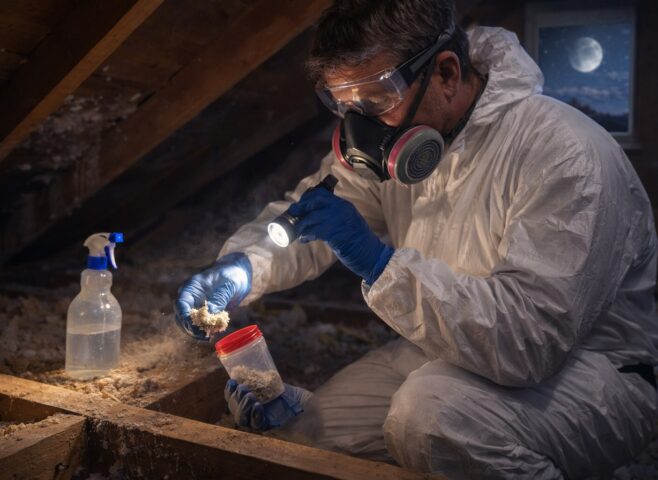
An asbestos test normally starts with a review of the proposed work and the materials that may be affected. Where sampling is suitable, a small sample is taken carefully and sent to a competent laboratory for analysis. The result can confirm whether asbestos is present and, where possible, identify the type of material. That information should then be considered alongside its condition, location and the way it will be removed.
A negative result is useful because it gives the project team evidence to work from, but it does not mean every other material on the property is automatically clear. One sample represents the material and area assessed, so changes in appearance, construction or installation history may justify separate consideration. If a result confirms asbestos, the next step is not to panic or carry on regardless. The work plan can be changed so that the material is left undisturbed, enclosed, repaired or removed using suitable controls.
Planning a safer Exeter roofline replacement
Share the test result with the roofing or building contractor before work begins. They need to know which parts of the job are affected, what must not be cut or drilled and whether a specialist asbestos contractor should carry out the removal. Good planning also covers access, protection of nearby surfaces, waste packaging, transport and the cleaning of tools and the work area. These details are especially important where ladders or scaffolding bring several workers close to the roofline.
Keep copies of the report, photographs and any removal or disposal paperwork with the property records. Landlords and commercial property owners may need this information for future maintenance, while homeowners benefit from knowing which areas have been tested and what remains in place. If the roofline is part of a wider refurbishment, it is sensible to coordinate the sequence of work so that other trades do not return to an area before it has been made safe.
Roofline projects can also reveal wider questions about an older building. If the fascias connect to a garage, porch, outbuilding or older extension, materials in those areas may have a similar construction history. Our guide to asbestos testing before replacing an older Exeter porch roof explains why adjoining roof sections should not be overlooked. You can also read about testing before replacing an older conservatory roof when the roofline work is part of a larger home improvement.
When to pause and seek professional advice
Stop work and seek advice if an unexpected board, dusty residue or unfamiliar backing material is uncovered. Do not sweep, sand, break up or place suspect fragments in ordinary waste. Keep people away from the immediate area, avoid actions that create more dust and record what was found if it can be done without disturbing it. A professional assessment can establish whether sampling, controlled removal or another response is needed.
For homeowners in Exeter, arranging asbestos testing before a fascias and soffits replacement is a practical part of project planning, not an unnecessary delay. It helps the contractor price the work realistically, protects everyone on site and leaves you with a clearer record for future maintenance. If the property has already had damage or accidental disturbance, our advice on when Exeter properties need asbestos testing after water damage is also relevant. Getting the right information before work starts is the simplest way to keep a roofline upgrade controlled and safe.